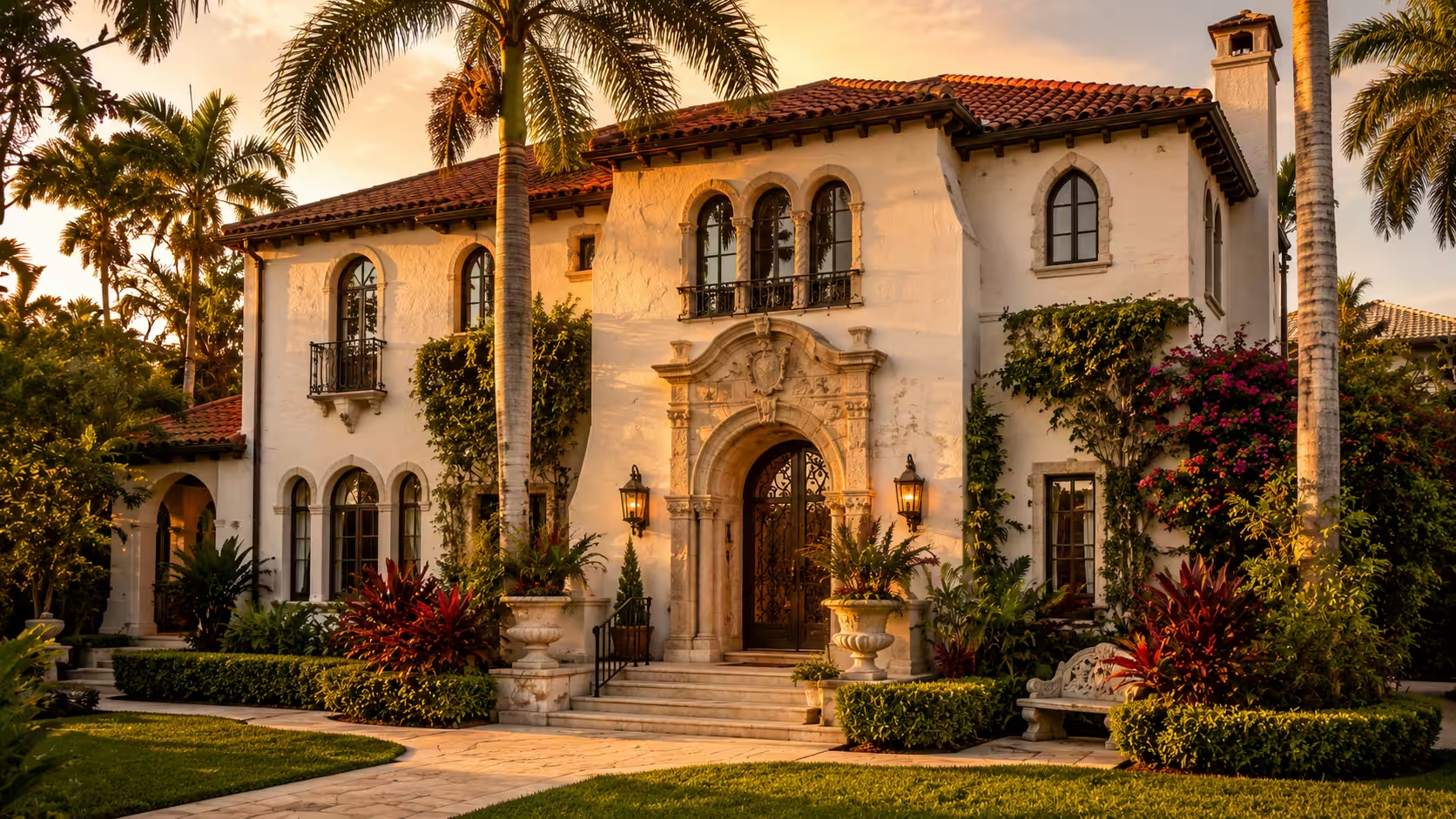
Preservation & Performance: Insulating Historic Homes in Coral Gables & Hollywood
South Florida is home to some of the most stunning historic architecture in the country. From the 1920s Mediterranean Revival estates in Coral Gables to the classic Florida Ranch homes in Hollywood Lakes, these properties are architectural treasures. However, they share one major flaw: they were built decades before modern air conditioning and energy efficiency standards existed.
For owners of historic homes, achieving modern thermal comfort can feel like an impossible balancing act. Your air conditioner runs non-stop, the upstairs bedrooms are always hot, and the humidity warps your original hardwood floors—yet strict historic preservation rules prevent you from altering the exterior of the home.
Here is how Broward Insulation retrofits historic South Florida estates to drastically lower cooling costs and eliminate moisture without touching a single piece of original exterior stucco or coral rock.
Modern Comfort in a 1920s Estate
Living in a 1920s or 1930s home means living inside a structure built for passive cooling, not centralized HVAC. Original builders relied on cross-breezes and thick masonry walls to manage the heat. Today, those uninsulated concrete block, hollow clay tile, and early wood-frame walls absorb the brutal summer sun and radiate that heat into your living spaces all night.
Adding a larger, more powerful AC unit will not solve this problem; it will only increase your already high electric bills. True comfort requires upgrading the building envelope.
Navigating Historic Preservation Boards
In municipalities like Coral Gables and historic districts in Hollywood, any modification to the exterior facade is heavily regulated by local Historic Preservation Boards. You cannot simply tear off exterior cladding to add rigid foam board, nor can you alter the roofline to accommodate thicker attic insulation.
To comply with these strict mandates, the thermal upgrade must be executed entirely from the inside out.
The “Inside-Out” Retrofit Strategy
To insulate exterior walls without violating preservation guidelines, the most effective solution is interior masonry foam injection.
Using a specialized two-component injection foam, our technicians can drill small, discreet holes from the interior drywall or plaster. The foam is injected directly into the hollow wall cavities, filling every void and neutralizing radiant heat transfer. Once the interior holes are patched and painted, the home boasts a modern thermal barrier while the historic exterior remains completely untouched.
Taming Shallow Historic Attics with Spray Foam
Historic Mediterranean and Mission-style homes often feature beautiful barrel tile roofs, but underneath those tiles are extremely shallow, difficult-to-access attics. Older attics generally lack the vertical clearance required for a thick, 14-inch blanket of traditional blown-in fiberglass.
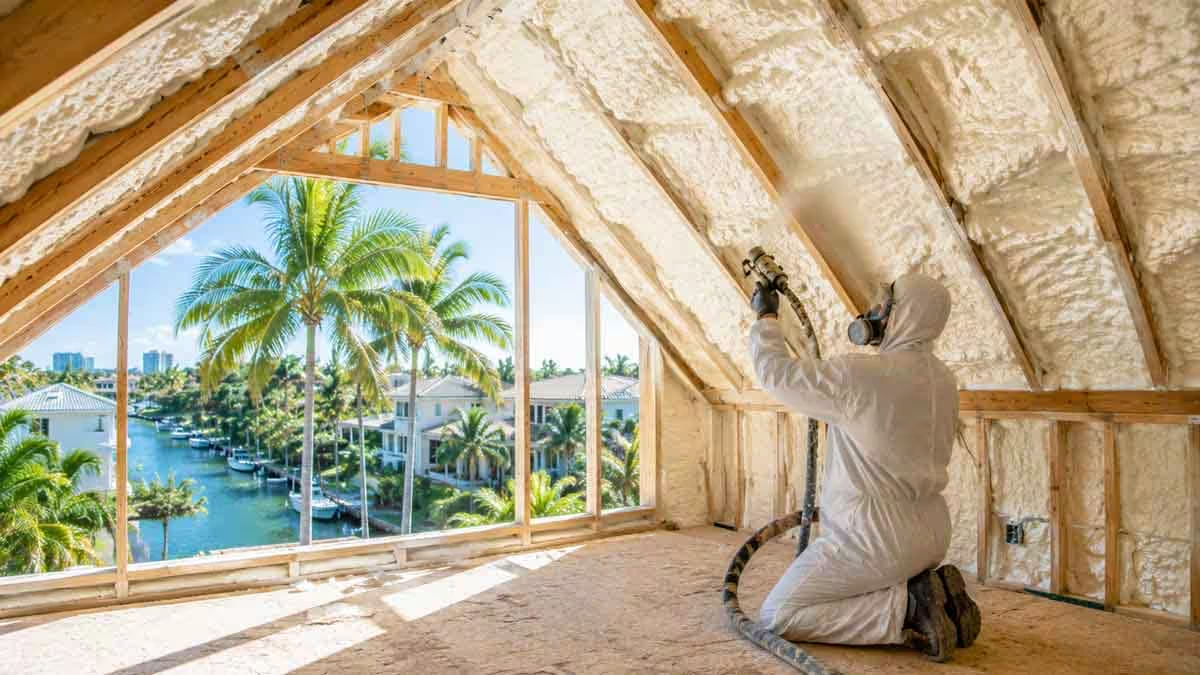
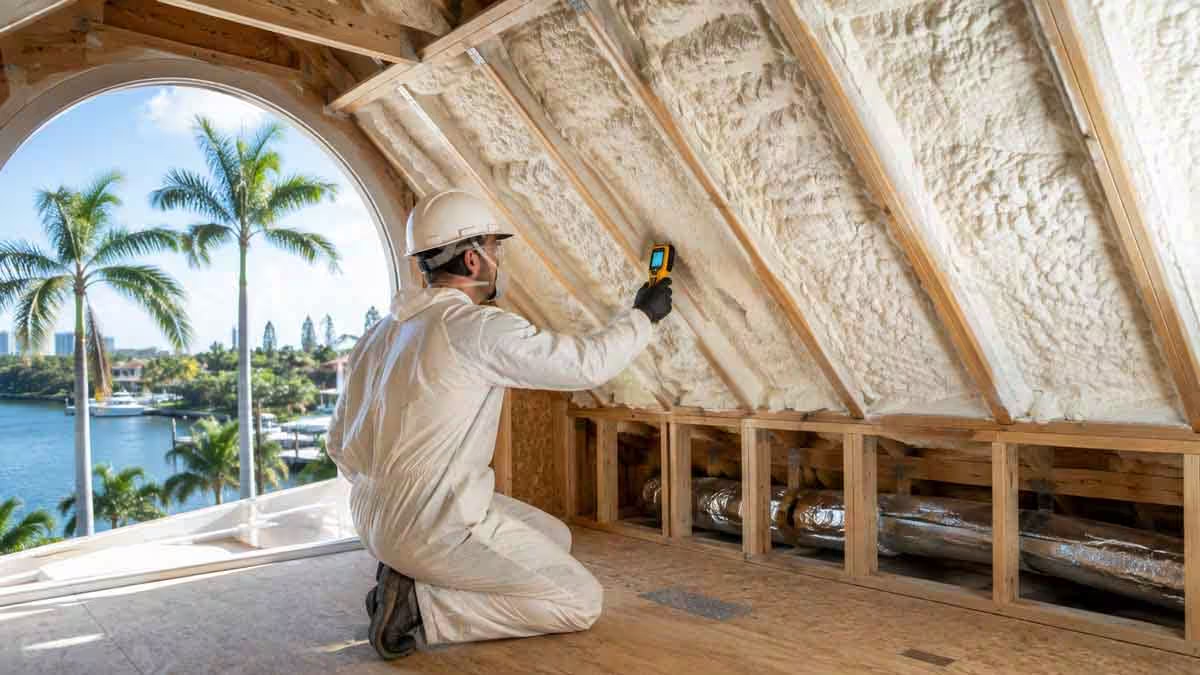
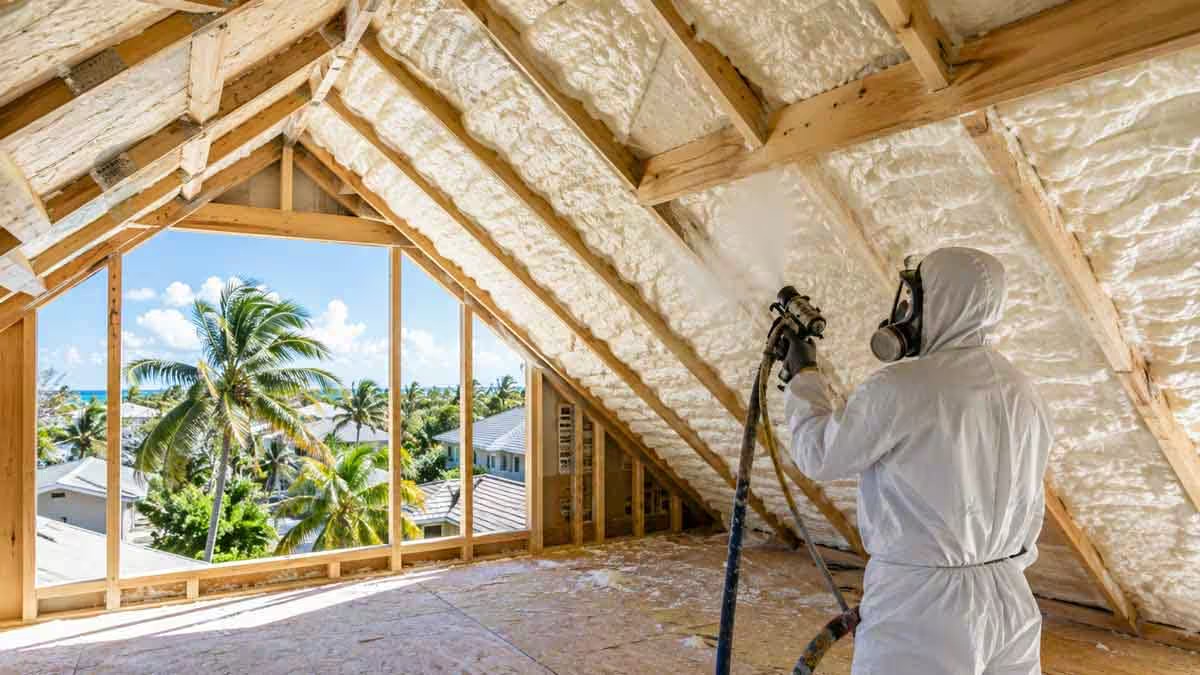
For these tight spaces, applying closed-cell spray polyurethane foam (ccSPF) directly to the underside of the roof deck is a game-changer. This process converts the attic into an unvented, semi-conditioned space. Not only does this stop the sun’s heat from baking your ceiling, but it also physically blocks the coastal humidity that causes classic “old house smells” and musty odors.
Not sure which attic insulation is right for your home’s architecture? Read our comparison on Spray Foam vs. Fiberglass for Florida Attics.
Crawl Spaces and Original Hardwood Floors
Many 1920s and 1930s homes in South Florida are built on raised pier-and-beam foundations with vented crawl spaces. While originally intended to allow airflow, these vents now pull 90% outdoor humidity directly under your home, leading to warped original hardwood floors and musty odors.
By encapsulating the crawl space with closed-cell spray foam, we create an impermeable moisture barrier that permanently protects your historic wood floors and structural joists from ground moisture and rot.
The Importance of White-Glove Installation
Retrofitting a historic property requires a level of care that goes far beyond standard new construction. Plaster walls are delicate, original moldings are irreplaceable, and antique hardwood floors must be fiercely protected.
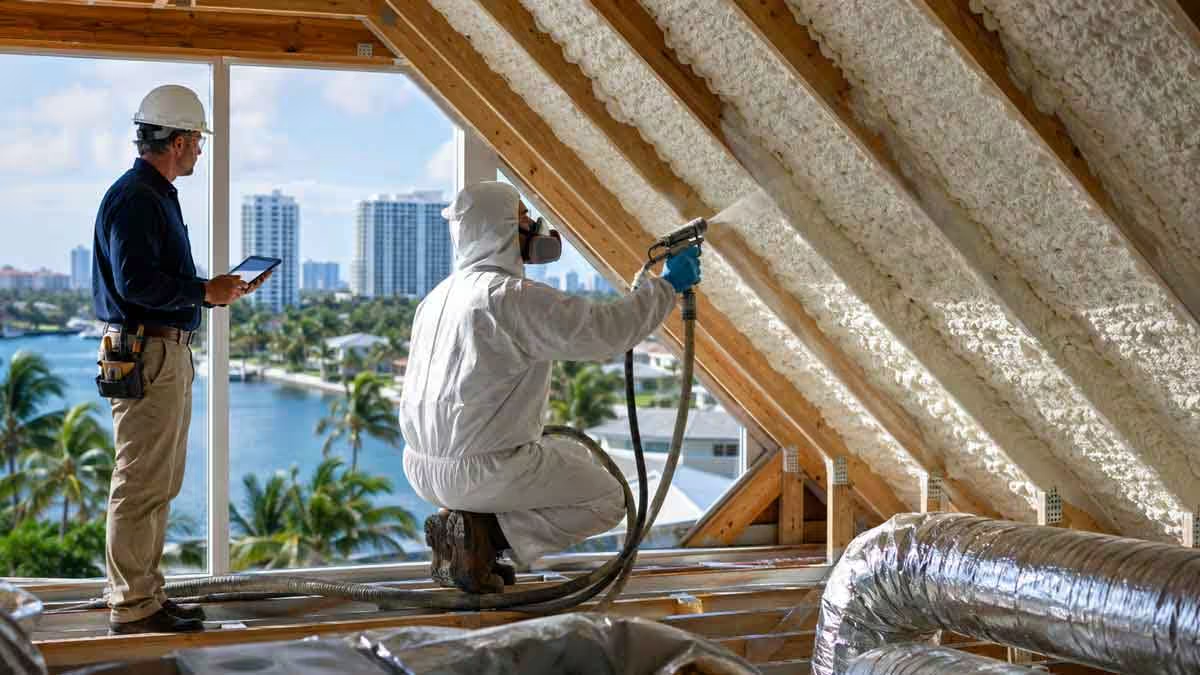
Broward Insulation treats historic estates with white-glove care. Owner Jeremiah Dailey personally oversees historic retrofits to ensure extensive interior floor protection, strict containment barriers, and precise injection techniques are utilized from start to finish.
If you are ready to bring modern comfort to your historic South Florida home without compromising its legacy, contact Broward Insulation today for a specialized assessment.
Frequently Asked Questions
Can you insulate plaster walls in a historic home?
Yes. We use specialized interior injection techniques that allow us to fill the wall cavities behind historic lath and plaster. We carefully plan the injection points to minimize patching and avoid damaging original woodwork, wainscoting, or trim.
Does spray foam damage historic roof tiles?
No. Closed-cell spray foam is applied directly to the underside of the interior roof deck (the wood sheathing). It does not interact with the exterior barrel tiles, slate, or underlayment on the outside of the roof, ensuring your historic facade is perfectly preserved.
Will insulation help get rid of the “old house smell”?
Yes. The musty odor common in historic South Florida homes is almost entirely caused by uncontrolled humidity entering through vented crawl spaces and leaky, uninsulated attics. Sealing the home with closed-cell spray foam acts as a vapor barrier, stopping the moisture that feeds mildew and odors.