How Attic Insulation Affects Coastal Humidity Control in Broward
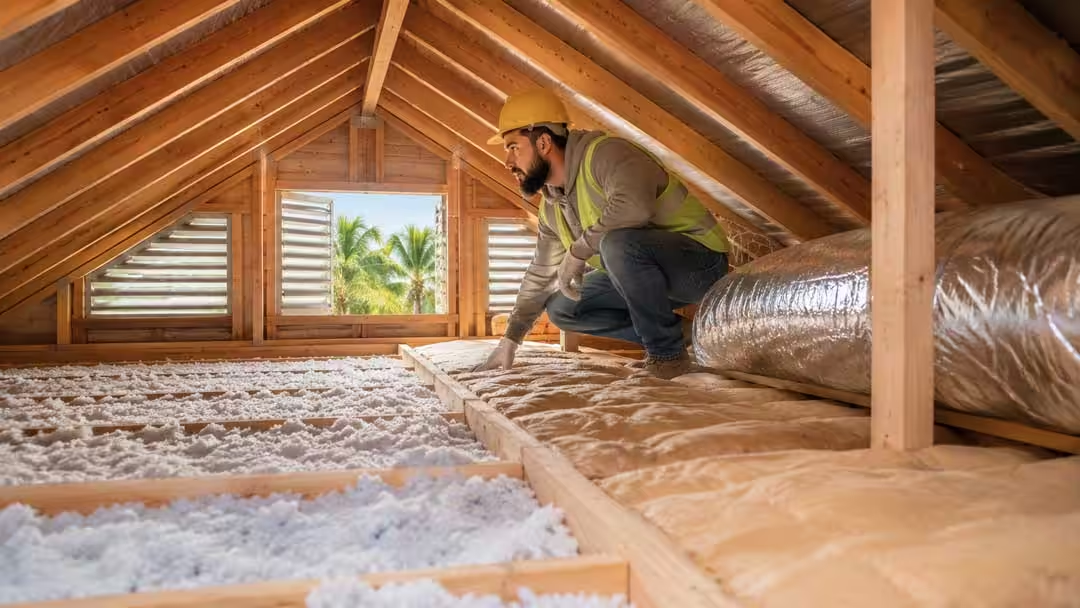
Proper attic insulation helps control how much coastal humidity enters your Broward home. It slows the movement of warm, moisture-laden air and helps protect your living spaces from condensation. When salt-heavy ocean air meets cooler indoor surfaces, moisture can quickly collect and affect drywall, framing, insulation, and HVAC systems.
A well-designed insulation system helps interrupt that cycle. Coastal homes from Hollywood to Lighthouse Point face elevated humidity throughout the year, making proper insulation and air sealing especially important for long-term comfort and energy efficiency.
At Broward Insulation Service, we see these conditions every day. Choosing the right insulation type and depth determines whether your attic helps defend your home against moisture or allows humidity to create conditions that support mold growth. That protection begins with understanding how attic insulation in Broward County helps manage coastal humidity.
What Is Attic Insulation’s Role In Controlling Coastal Humidity In Broward
Attic insulation serves as both a thermal barrier and part of an effective moisture-control strategy by slowing the movement of humid coastal air into conditioned living spaces. The result is more consistent indoor temperatures and improved humidity control.
When sea breezes carry moisture against your roof structure, a properly installed attic insulation system helps reduce heat transfer and limits the amount of moisture that reaches wood framing, drywall, and HVAC components.
High attic temperatures during South Florida summers make insulation even more important. Without adequate insulation and air sealing, heat and humidity can move through even small gaps in the building envelope, increasing cooling demands and indoor moisture levels.
Together, insulation, air sealing, and ventilation protect both your home’s comfort and structural integrity. Broward Insulation Service installs attic insulation systems designed specifically for South Florida’s climate, helping homeowners improve energy efficiency while reducing humidity-related concerns.
Comparison Of Insulation Materials Vs Moisture Resistance In Coastal Climates
Different insulation materials perform differently in Broward County’s humid coastal environment. Selecting the right product depends on your home’s ventilation, roof design, and proximity to the coast.
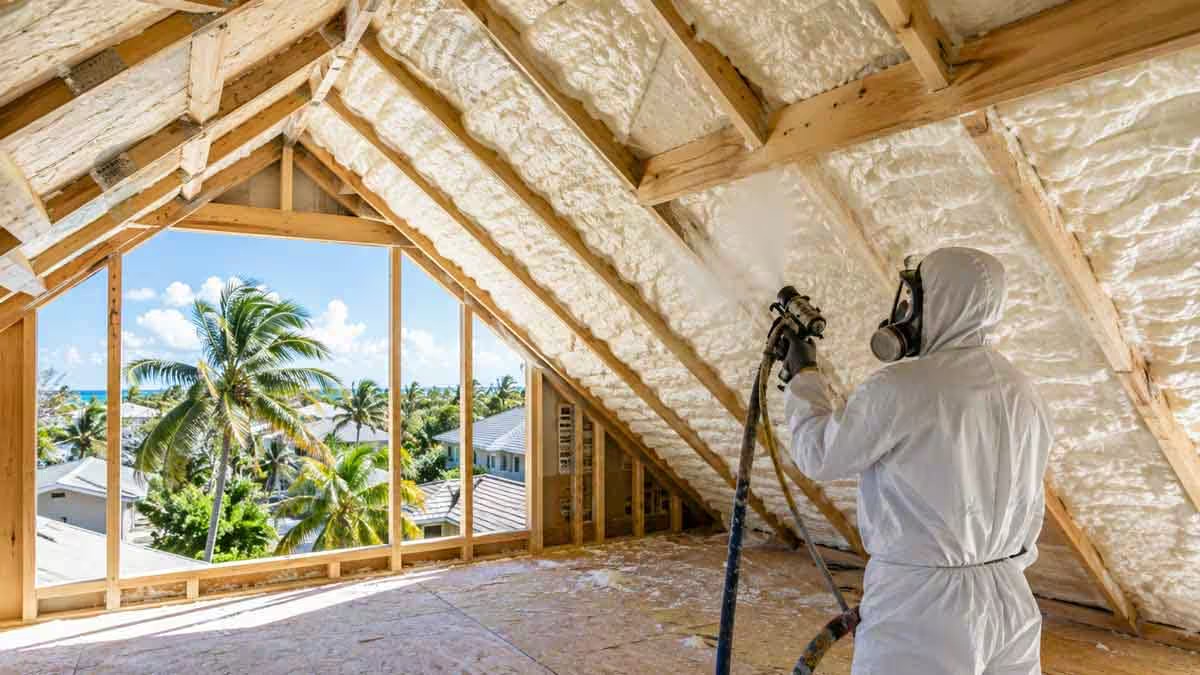
Closed-cell spray foam offers excellent moisture resistance because it creates both an insulation layer and an effective air seal. Fiberglass insulation remains a reliable solution when paired with proper air sealing and ventilation. Blown-in cellulose provides good coverage but may settle over time if exposed to repeated moisture cycles.
The comparison below highlights how three common insulation materials perform in coastal applications.
| Material | Moisture Resistance | Best Coastal Use |
|---|---|---|
| Closed-Cell Spray Foam | Excellent. Provides air sealing and moisture resistance. | Coastal homes and sealed attic systems |
| Open-Cell Spray Foam | Good. Limits air movement while allowing some vapor permeability. | Ventilated attic systems |
| Fiberglass Batts | Moderate. Performs well when installed with proper air sealing and ventilation. | Conditioned attic spaces |
| Blown-In Cellulose | Fair. Can settle if exposed to excessive moisture. | Homes with well-managed attic ventilation |
Material selection becomes increasingly important closer to the coastline. Homes in Lighthouse Point often experience different moisture conditions than homes farther inland, such as Weston. Matching insulation to your home’s unique conditions helps improve HVAC performance, indoor comfort, and long-term building protection.
How To Select Attic Insulation For Optimum Humidity Control In Broward
Selecting the right attic insulation requires evaluating several important factors.
- Inspect the attic for existing moisture issues before adding insulation. Water stains, musty odors, and damp materials should be addressed first.
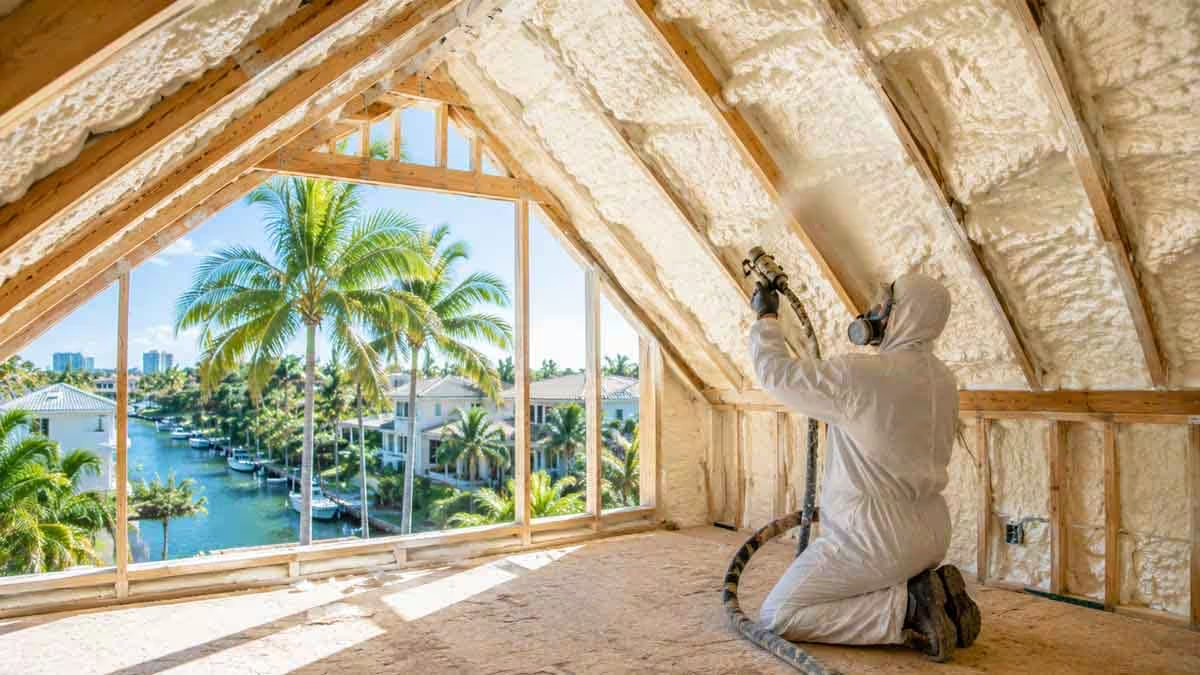
- Consider closed-cell spray foam when maximum air sealing and humidity control are priorities. It expands into gaps and helps reduce unwanted air movement.
- Choose fiberglass insulation when seeking an effective and proven insulation solution that performs well alongside professional air sealing and ventilation.
- Add a radiant barrier where appropriate to reduce radiant heat gain and improve cooling efficiency during South Florida summers.
- Match insulation levels to your home’s attic design, roof pitch, square footage, and ventilation system to achieve balanced performance.
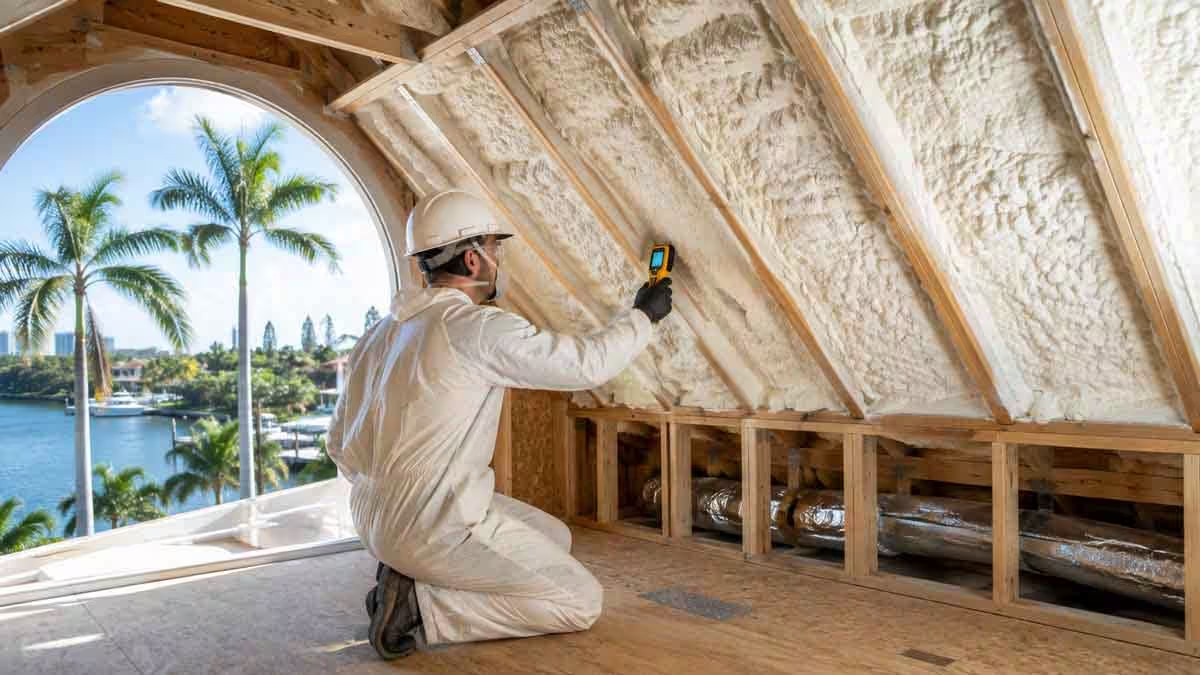
Professional evaluation helps ensure every component works together to improve energy efficiency and humidity control.
Tradeoffs When Over-Insulating Attic Spaces Near The Coast
Adding insulation improves efficiency, but excessive insulation without proper planning can create unintended issues.
- Moisture can become trapped if insulation is added without adequate air sealing and ventilation.
- Overfilling insulation around soffit vents may restrict the airflow needed to remove humid attic air.
- Additional insulation beyond recommended levels often produces diminishing returns on energy savings.
- Thick insulation layers can make roof leaks more difficult to detect before damage becomes significant.
- Improving the home’s thermal envelope without evaluating HVAC performance may affect humidity control if the system is no longer properly balanced.
The goal is a complete attic system that balances insulation, ventilation, and air sealing for South Florida’s climate.
Common Questions About Attic Insulation And Coastal Humidity Impacts
- Does humidity reduce attic insulation performance?
Yes. Moisture reduces the insulating effectiveness of many materials because water transfers heat more efficiently than trapped air.
- Why do Broward attics become so humid?
Warm outdoor air, indoor air leakage, and South Florida’s naturally high humidity combine to create moisture buildup when attics are not properly insulated and ventilated.
- What signs indicate humidity problems inside the home?
Higher cooling costs, uneven indoor temperatures, musty odors, damp insulation, visible staining, and extended HVAC run times can all indicate excess attic moisture.
- How does Broward Insulation Service help improve humidity control?
We combine professional air sealing with insulation systems designed for South Florida’s coastal climate, helping reduce unwanted moisture movement while improving comfort and energy efficiency.
How Attic Ventilation Works Together With Insulation To Reduce Moisture
Proper insulation performs best when combined with balanced attic ventilation.
Air sealing helps keep conditioned indoor air where it belongs, while attic ventilation allows excess heat and moisture to escape safely. Soffit vents introduce fresh outside air, while ridge or roof vents exhaust warm, humid air near the roof peak.
This continuous airflow reduces condensation on framing, roof decking, and insulation.
At Broward Insulation Service, we evaluate insulation and ventilation together because both systems contribute to attic performance. Proper airflow helps protect your roof structure while supporting long-term energy efficiency and indoor comfort.
Effect Of Moisture Barriers And Insulation Layers On Indoor Air Quality
Moisture barriers and insulation layers influence indoor air quality by controlling how water vapor moves through your attic assembly.
South Florida homes experience constant humidity pressure, making moisture management especially important. When insulation stays dry, it maintains its thermal performance and helps support healthier indoor conditions. However, insulation that remains damp for extended periods can contribute to mold growth, musty odors, and reduced insulation effectiveness. The need for vapor barriers depends on the building assembly and climate conditions. Proper attic design considers insulation, ventilation, air sealing, and moisture movement together rather than relying on any single component. This complete approach helps protect wood framing, insulation performance, HVAC equipment, and indoor comfort throughout the year.
Proper attic insulation helps control coastal humidity by limiting unwanted air movement, reducing heat transfer, and supporting consistent indoor comfort. Closed-cell spray foam often provides the strongest moisture resistance in coastal applications, while fiberglass insulation remains an effective option when professionally installed with proper air sealing and ventilation.
The right insulation system depends on your home’s roof design, ventilation strategy, proximity to the coast, and long-term performance goals. Every property requires a solution tailored to its specific conditions.
Schedule a Risk Audit with Broward Insulation Service to evaluate your attic’s insulation, ventilation, and moisture control needs. Our owner-direct team will identify opportunities to improve comfort, energy efficiency, and long-term building performance with climate-specific insulation solutions designed for Broward County homes.