Why Your Vented Crawl Space is Ruining Your Hardwood Floors
If you own an older home in South Florida—specifically in historic neighborhoods like Coral Gables, Hollywood Lakes, or Victoria Park—there is a good chance your home was built on a raised pier-and-beam foundation. These homes feature a crawl space between the dirt ground and your first-floor floorboards.
Originally, builders installed vents around the foundation perimeter, believing that cross-breezes would keep the crawl space dry. However, modern building science has proven that in South Florida’s extreme climate, venting a crawl space is one of the worst things you can do to your home’s structural integrity.
If your beautiful original hardwood floors are starting to cup, buckle, or warp, or if your home constantly smells musty, your vented crawl space is likely the culprit. Here is why it happens and how to permanently fix it.
The Problem with Pier-and-Beam Homes in South Florida
The concept of a vented crawl space works perfectly in dry, arid climates. In South Florida, however, the outside air is consistently sitting at 80% to 95% relative humidity for most of the year.
When you leave vents open under your home, you are passively pulling that heavy, wet marine air straight into the dark, cool space beneath your floorboards. Because the air inside your air-conditioned home is cooler than the outside air, the underside of your floor acts like a cold glass of water on a summer day—it creates massive condensation.
The Symptoms of a Wet Crawl Space
Most homeowners never look under their house until a major problem arises. If your crawl space is pulling in uncontrolled humidity, you will notice these symptoms inside your living space:
- Cupping Hardwood Floors: Wood is highly hygroscopic (it absorbs moisture from the air). When the bottom of your floorboards absorb extreme crawl space humidity while the top side sits in dry, air-conditioned air, the boards warp, creating a wavy, “cupped” appearance.
- Musty “Old House” Odors: That classic historic home smell is actually the off-gassing of mold and mildew breeding in the damp, dark soil and wet wood joists beneath your feet.
- Cold Floors in Winter: Without a thermal barrier, the cold winter ground rapidly pulls heat out of your living space.
- Pest Infestations: Termites and carpenter ants thrive on wet, rotting wood. A damp crawl space is an open invitation for destructive pests.
Crawl Space Encapsulation vs. Traditional Vents
The old-school advice was to “add more vents” or run a fan to dry out the crawl space. Building scientists now know this is a losing battle. You cannot dry out a space using air that is already saturated with 90% humidity.
The only permanent solution for Florida homes is crawl space encapsulation—a process that permanently seals the underside of the home from the outside environment.
Using Closed-Cell Spray Foam for Total Moisture Control
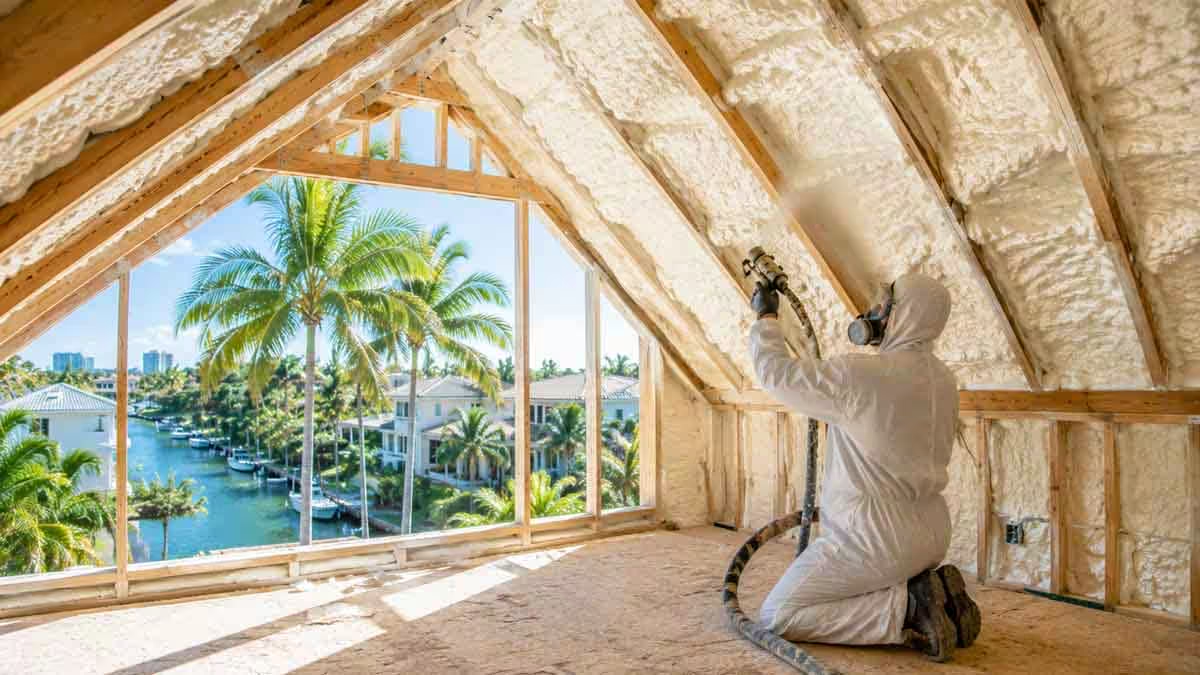
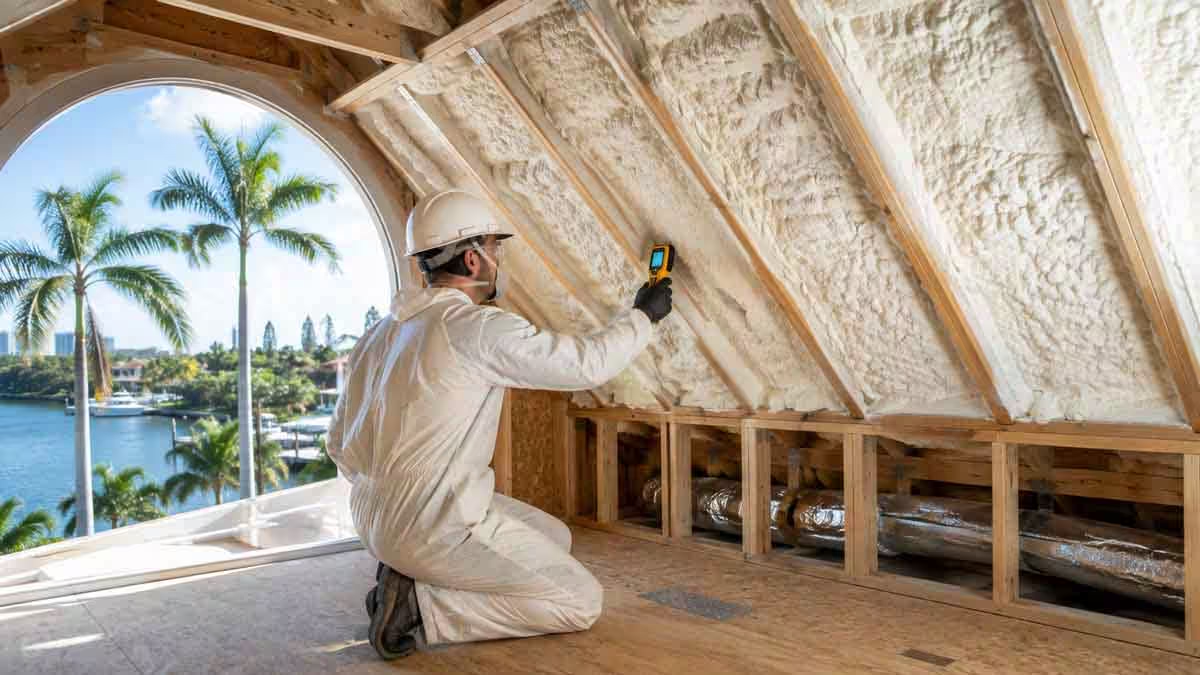
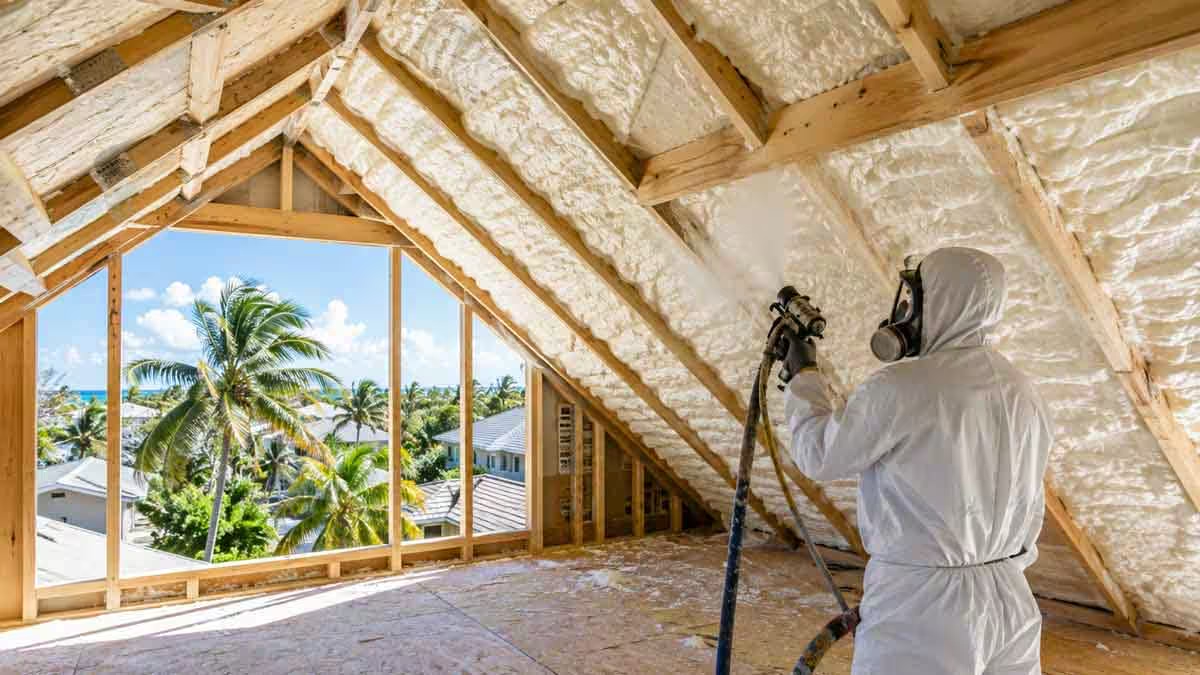
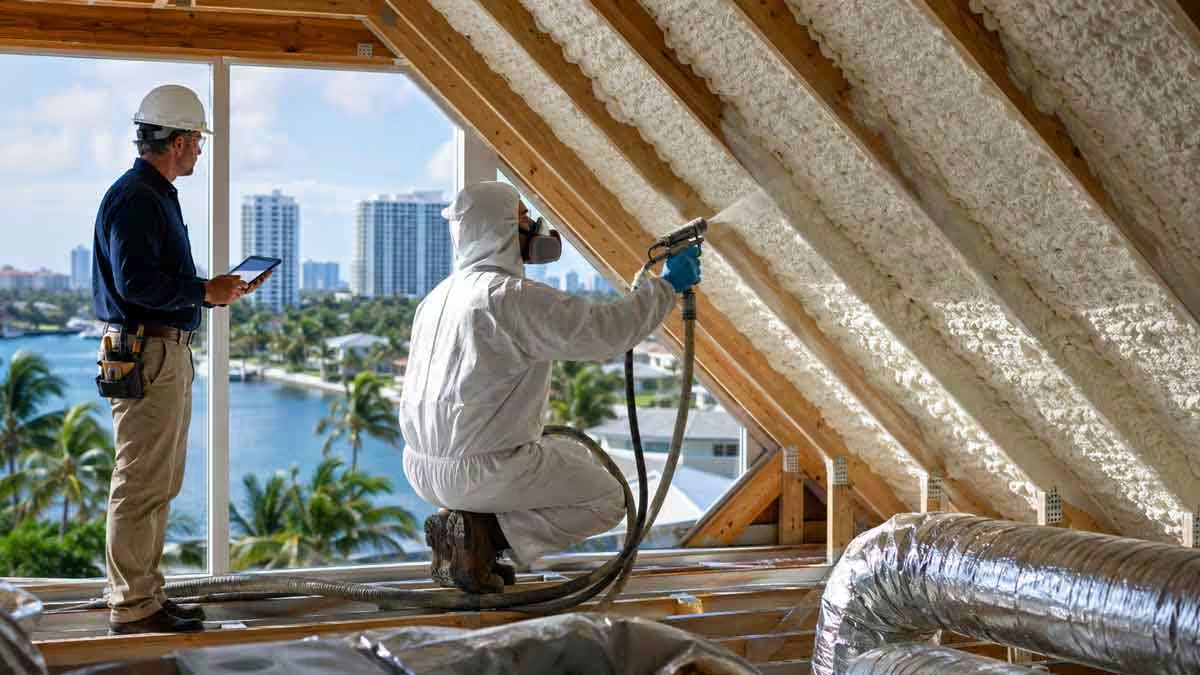
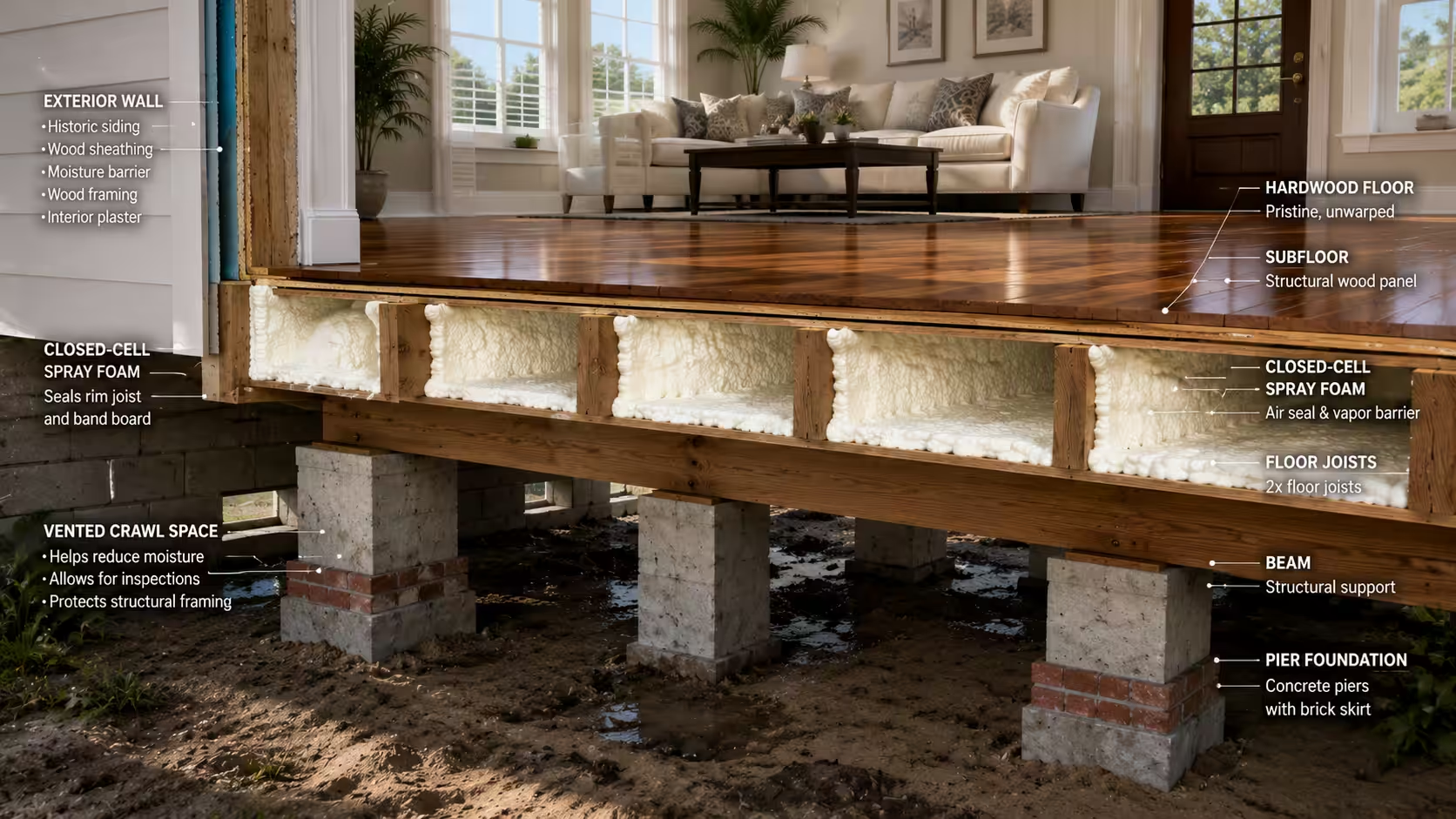
For raised historic homes, the ultimate encapsulation method is applying closed-cell spray polyurethane foam (ccSPF) directly to the underside of the subfloor and floor joists.
Unlike standard fiberglass (which acts like a sponge and sags when wet) or open-cell foam (which allows moisture vapor to pass through), closed-cell spray foam acts as an impermeable Class II vapor retarder and a high-performance thermal barrier.
The Benefits of Closed-Cell Foam Encapsulation:
- Stops Floor Warping Instantly: By physically blocking ground moisture and humid air from reaching the wood, your hardwood floors are permanently protected from cupping and buckling.
- Eliminates Musty Odors: Sealing out the damp air cuts off the moisture supply to mold and mildew, drastically improving your indoor air quality.
- Structural Rigidity: Closed-cell foam cures into a rigid, dense plastic, essentially gluing your floor system together and reducing floor squeaks and bounce.
Protecting Your Historic Investment
If you are investing time and money into insulating a historic home, protecting the foundation should be your top priority. Paired with masonry wall injection or modern attic insulation, sealing your crawl space completes the ultimate thermal envelope.
Broward Insulation has been helping South Florida homeowners solve severe moisture and thermal issues since 1977. If you are tired of musty odors and warped floors, contact us today for a crawl space evaluation.
Frequently Asked Questions
Should crawl space vents be open or closed in Florida?
Building scientists strongly recommend that crawl space vents in humid climates like Florida be permanently closed and sealed, and the space completely encapsulated. Open vents allow heavy humidity to enter and condense on your floor joists, leading to mold and wood rot.
Can you spray foam the underside of a floor?
Yes. Applying closed-cell spray foam directly to the underside of the subfloor is the most effective way to insulate a raised pier-and-beam home. It creates an airtight vapor barrier that stops ground moisture from reaching the wood.
How do you fix cupping hardwood floors?
You must eliminate the moisture source beneath the floor. In homes with a crawl space, this requires encapsulating the underside of the floor with a vapor barrier like closed-cell spray foam. Once the moisture source is stopped, slightly cupped floors will often flatten out over several months as the wood dries.