Preventing Mold in Attics: Broward County Insulation Best Practices
Mold prevention in Broward attics starts with climate-matched insulation, sealed air pathways, and balanced roof ventilation. Humidity drives the risk throughout South Florida, and our team regularly finds moisture-related issues in homes with inadequate attic insulation, blocked soffit vents, or air leaks from conditioned living spaces.
In addition, coastal conditions make moisture control even more important. Salt air and year-round humidity raise attic dew points and create ideal conditions for condensation. Broward Insulation Service helps homeowners throughout Fort Lauderdale, Weston, Parkland, and surrounding communities address these challenges with attic insulation in Broward County designed for heat, humidity, and seasonal storm conditions.
Choosing the right target for heat flow creates the foundation for a healthier attic system, beginning with the best attic insulation R-value for our region.
What Is Ideal Attic Insulation R-Value In Broward County
The ideal attic insulation R-value in Broward County typically falls between R-30 and R-38, with R-38 serving as an excellent target for most homes. This range performs well in our hot, humid climate. However, increasing insulation levels toward R-49 can provide additional cooling efficiency and greater protection against attic heat transfer throughout the year.
ENERGY STAR recommends R-49 as a strong goal for warmer climate zones. We install insulation systems based on each property’s specific needs and building characteristics. As a result, achieving the proper R-value with quality attic insulation broward homeowners can rely on helps reduce moisture issues, protect roof structures, improve indoor comfort, and support long-term energy efficiency.
Compare Fiberglass vs Spray Foam vs Cellulose Insulation Options
Once you know the R-value target for your attic, the next step is selecting the insulation material that best supports moisture control and mold prevention in Broward County’s humid environment. Each material responds differently when warm coastal air meets cooler attic surfaces.
This comparison highlights four factors that matter most for mold prevention and attic performance:
| Factor | Fiberglass | Spray Foam (Closed-Cell) | Cellulose |
|---|---|---|---|
| Air Sealing | Weak. Gaps allow humid air movement. | Excellent. Expands to seal cracks and gaps. | Better than batts but not a complete air barrier. |
| Moisture Behavior | Doesn’t absorb water but can trap moisture against wood surfaces. | Acts as a moisture-resistant barrier and helps limit vapor movement. | Can absorb water, lose effectiveness, and settle when wet. |
| R-Value Per Inch | Approximately R-2.2 to R-4.3 | Approximately R-6 to R-7 | Approximately R-3.1 to R-4.0 |
| Mold Risk In Humid Attics | Moderate when humidity becomes trapped. | Low due to superior air sealing and moisture resistance. | Higher if exposed to leaks or condensation. |
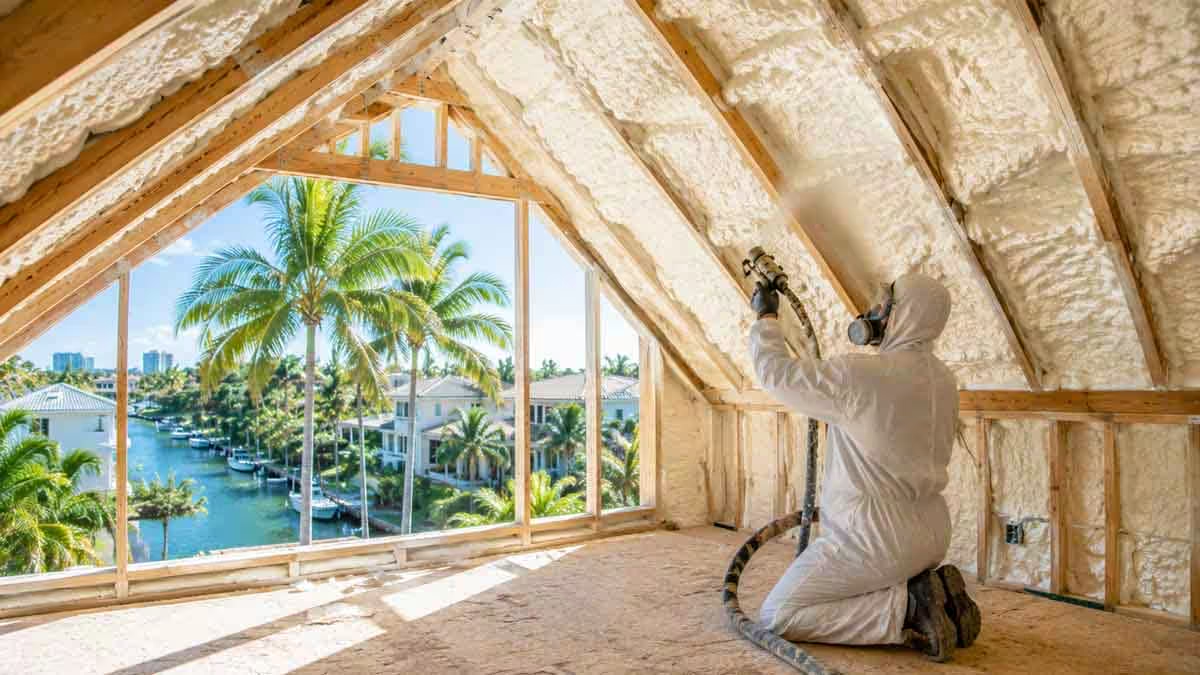
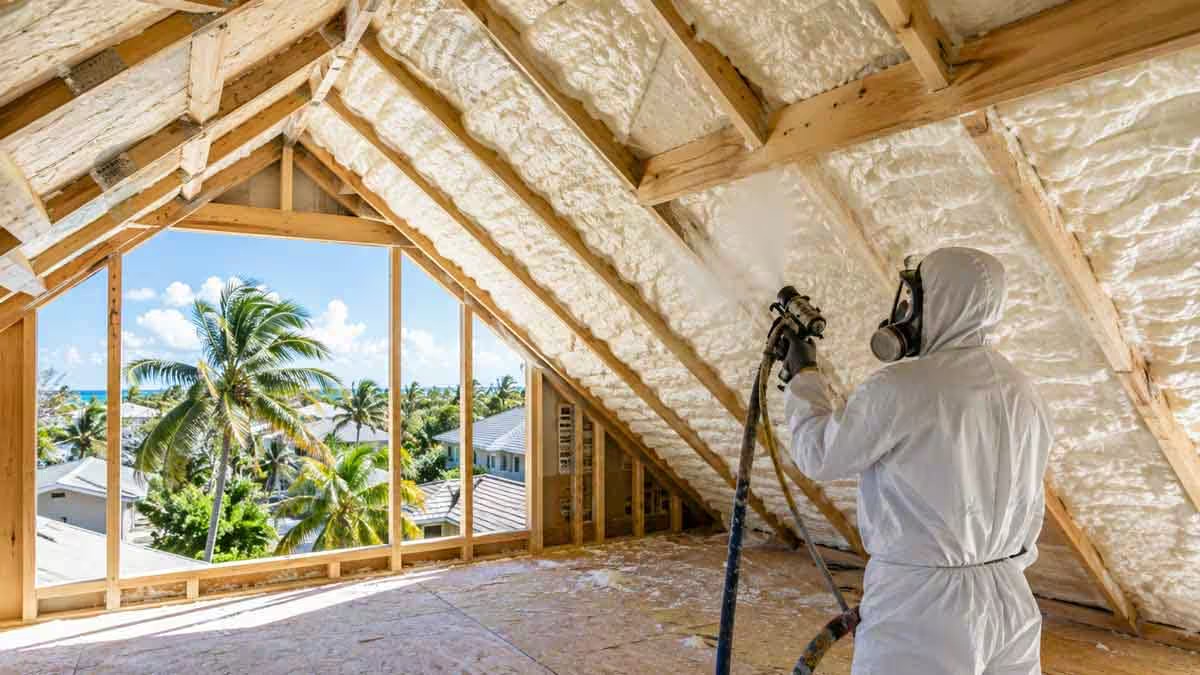
For Broward County attics, air sealing often makes the biggest difference. Closed-cell spray foam provides exceptional moisture resistance and helps reduce the conditions mold needs to develop. Fiberglass and cellulose can also perform effectively when combined with professional air sealing, proper ventilation, and a dry roof deck.
At Broward Insulation Service, we evaluate roof design, attic access, ventilation performance, and long-term efficiency goals before recommending the right insulation system.
Steps To Properly Ventilate Attics In Broward Homes
Proper attic ventilation protects roof structures and helps prevent moisture buildup in South Florida homes.
- Measure attic square footage and calculate ventilation requirements. A common guideline is 1 square foot of net free vent area for every 150 square feet of attic floor space, divided between intake and exhaust ventilation.
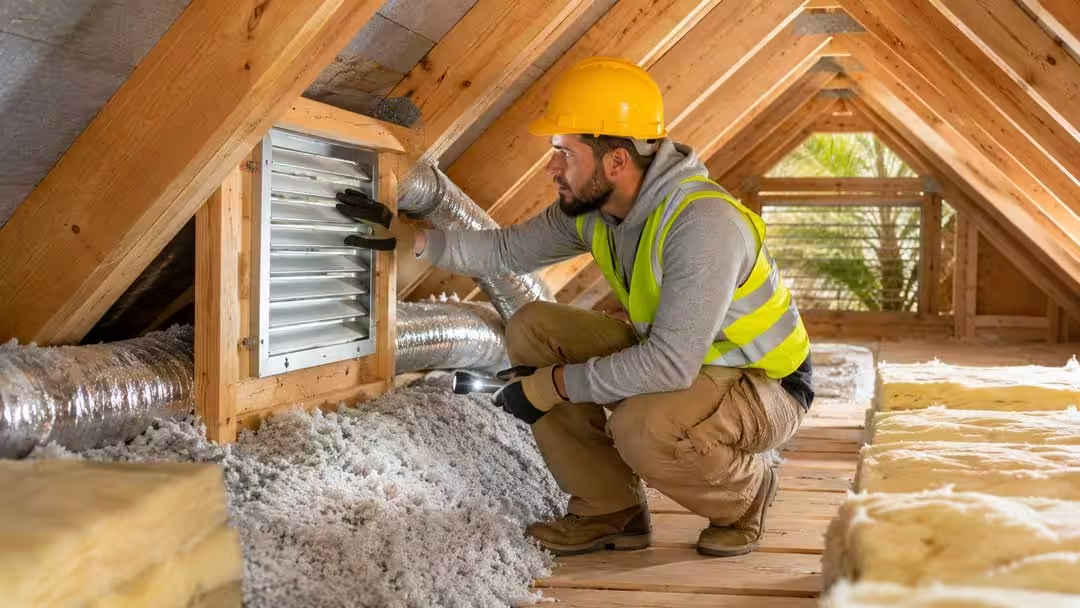
- Clear all soffit vents along the roofline. Paint, debris, insulation, or construction materials can restrict airflow and reduce attic performance.
- Install ventilation baffles before adding insulation. Baffles maintain open airflow channels from the soffits into the attic space.
- Balance ridge vents or other exhaust ventilation systems. Exhaust capacity should closely match intake capacity to maintain proper airflow throughout the attic.
- Seal attic bypasses around lighting fixtures, plumbing penetrations, exhaust fans, and wiring openings. Air sealing helps prevent conditioned indoor air from reaching attic surfaces where condensation can occur.
- Schedule a professional attic inspection annually. Early detection of blocked vents, moisture accumulation, or roof deck staining can prevent larger issues later.
Checklist For Inspecting Moisture Sources Under Roof Deck
Identifying moisture sources early can help prevent mold growth and structural damage.
- Examine the underside of roof decking for dark stains, discoloration, or water streaks.
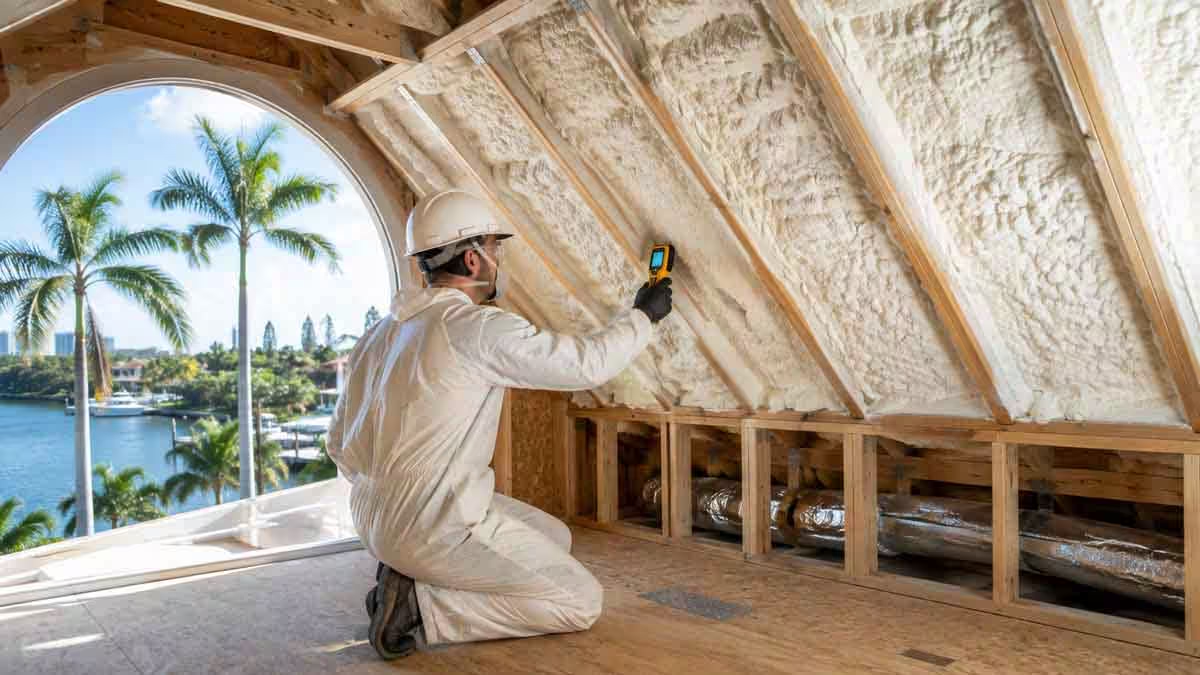
- Use a moisture meter to check wood sheathing in several locations. Elevated moisture readings may indicate active moisture problems.
- Inspect roof penetrations including vent pipes, skylights, and exhaust vents for deteriorated seals.
- Check exposed nail tips for rust. Rust formation often signals condensation issues within the attic.
- Inspect insulation beneath the roof deck for dampness, compression, or clumping.
- Verify that soffit vents and ridge vents remain open and free from obstructions.
These inspections become especially important in Broward County, where humidity remains high throughout much of the year.
FAQs About Mold Risks With Attic Insulation In Broward
- Can attic insulation cause mold?
Insulation itself does not create mold. However, moisture trapped within insulation due to poor ventilation or air leakage can contribute to mold growth on surrounding building materials.
- What humidity level should my attic stay below?
Maintaining indoor humidity below 50% helps reduce mold risk and supports healthier indoor air quality throughout the home.
- Which insulation type resists mold best in South Florida attics?
Closed-cell spray foam offers strong resistance to moisture intrusion while providing excellent air sealing. Properly installed fiberglass insulation paired with professional air sealing can also perform very effectively.
- How do I know if my attic already has a mold problem?
Common warning signs include musty odors, stained roof decking, damp insulation, visible discoloration, or unexplained increases in energy costs. A professional inspection can help identify the source.
Mistakes To Avoid When Installing Attic Insulation
Avoiding these common mistakes can help protect your attic from moisture problems and mold growth.
- Removing vapor-retarding facings without evaluating moisture control requirements. Properly installed materials help manage humidity movement within the attic assembly.
- Blocking soffit vents during insulation installation. Restricted airflow can quickly increase humidity levels inside the attic.
- Leaving attic access doors uninsulated. Unprotected attic hatches allow conditioned air to escape and contribute to condensation issues.
- Installing insufficient insulation or leaving gaps in coverage. Uneven insulation reduces performance and creates opportunities for moisture accumulation.
- Removing existing insulation that remains dry and structurally sound. In many cases, adding insulation over existing material provides an effective upgrade without unnecessary removal.
Maintenance Tips To Keep Broward Attics Mold-Free
Routine attic inspections remain one of the most effective ways to prevent mold growth in your homes. Check your attic seasonally for damp insulation, staining, condensation, or unusual odors that may signal developing moisture problems. Storm season makes attic maintenance even more important. Heavy rainfall and wind-driven moisture can expose vulnerabilities in roofing systems and attic assemblies. Addressing leaks quickly helps prevent moisture from becoming trapped in wood framing and insulation.
Air sealing also plays a major role in mold prevention. Sealing gaps around lighting fixtures, wiring penetrations, ductwork, and ceiling openings helps prevent conditioned indoor air from reaching cooler attic surfaces where condensation can form. In addition, ensure bathroom exhaust fans and dryer vents discharge outdoors rather than into the attic. Venting moisture directly into attic spaces significantly increases mold risk.
Finally, schedule a professional attic inspection each year. A comprehensive evaluation can identify moisture sources, ventilation deficiencies, insulation performance issues, and opportunities to improve overall attic efficiency. Preventing attic mold in starts with controlling moisture, heat transfer, and air leakage. The most effective solutions combine proper insulation levels, professional air sealing, and balanced ventilation systems designed specifically for South Florida’s climate.
Because humidity levels frequently exceed 75% across the region, attics without adequate insulation and air sealing can quickly become condensation zones. Closed-cell spray foam often stands out as a high-performance option because it helps resist moisture, limits air movement, and contributes to long-term building performance. Fiberglass insulation remains a strong option when paired with proper ventilation and air sealing strategies. The right choice ultimately depends on your home’s construction, attic configuration, energy-efficiency goals, and budget.
Your next step is simple: Schedule a Risk Audit with Broward Insulation Service. Our experienced South Florida insulation specialists will identify moisture sources, ventilation deficiencies, and insulation opportunities while recommending solutions designed to improve comfort, energy efficiency, and long-term building performance.