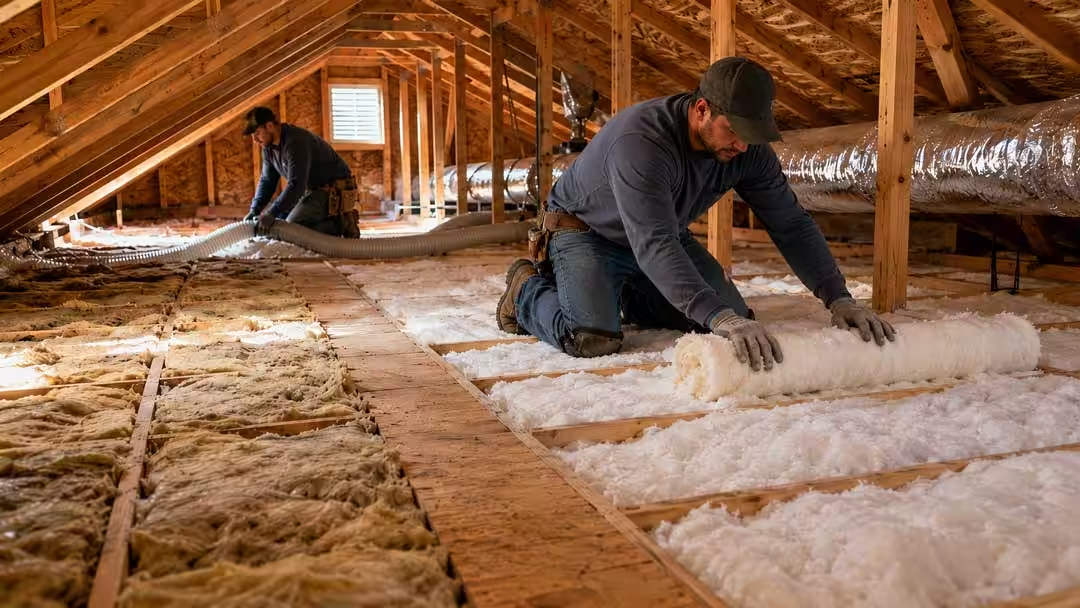
When To Replace Attic Insulation In Broward County
South Florida’s climate places unique demands on residential and commercial buildings. Between year-round heat, humidity, seasonal storms, and constant HVAC usage, insulation plays a critical role in maintaining indoor comfort and controlling energy costs. While many property owners focus on roofing systems, windows, and air conditioning equipment, attic insulation is often overlooked until performance issues become noticeable.
Over time, insulation materials can lose effectiveness due to age, moisture exposure, pest activity, settling, or contamination. Knowing when to replace attic insulation can help prevent unnecessary energy waste while improving comfort and protecting the long-term performance of your property.
Signs Your Attic Insulation In Broward County May Need Replacement
Property owners often assume insulation lasts forever, but that’s rarely the case in South Florida’s demanding climate. If you currently have attic insulation in Broward County, paying attention to performance changes can help identify problems before they become more costly.
Some of the most common warning signs include:
- Higher-than-normal energy bills despite consistent HVAC usage.
- Uneven temperatures between rooms or floors.
- Excessive attic heat during warmer months.
- Increased indoor humidity levels.
- Drafts or hot spots throughout the property.
- Evidence of moisture damage or mold growth.
- Pest infestations within attic spaces.
- Insulation that appears compressed, damaged, or deteriorated.
When these issues occur, the insulation may no longer provide the thermal resistance necessary to protect the building envelope effectively.
How Long Does Attic Insulation Typically Last?
The lifespan of insulation depends on the material, installation quality, environmental conditions, and maintenance history.
Fiberglass insulation can often perform for 15 to 30 years under ideal conditions. Blown-in insulation may last a similar timeframe but can settle over the years, reducing effectiveness. Spray foam insulation generally offers the longest lifespan and can continue performing efficiently for decades when properly installed.
However, South Florida properties face additional challenges that can shorten insulation performance, including:
- High humidity levels.
- Coastal moisture exposure.
- Severe weather events.
- Roof leaks.
- HVAC condensation issues.
- Pest intrusion.
Even if insulation has not reached its expected lifespan, these factors may justify replacement sooner than anticipated.
The Impact Of South Florida Humidity On Attic Insulation
Humidity remains one of the biggest threats to insulation performance throughout Broward County and surrounding coastal communities.
When moisture enters attic spaces, insulation materials can absorb water, reducing their ability to resist heat transfer. Wet insulation may also create conditions that support mold growth, wood deterioration, and indoor air quality concerns.
Signs that humidity has compromised attic insulation include:
- Visible moisture staining.
- Mold or mildew odors.
- Damp insulation materials.
- Condensation around ductwork or pipes.
- Elevated indoor humidity levels.
For homeowners and commercial property owners in Fort Lauderdale, Pompano Beach, Coral Springs, and surrounding areas, routine attic inspections can help identify moisture-related problems before they become significant structural concerns.
Rising Energy Costs Can Signal Insulation Failure
One of the clearest indicators that insulation is no longer performing effectively is an unexplained increase in energy consumption.
Attic insulation helps slow heat transfer between indoor and outdoor environments. When insulation deteriorates, HVAC systems must work harder to maintain desired temperatures. This increased workload can result in:
- Higher utility bills.
- Longer HVAC run times.
- Increased equipment wear.
- Reduced indoor comfort.
Many South Florida property owners discover insulation issues after noticing their cooling systems running almost continuously during warmer months.
Replacing aging insulation often improves energy efficiency while helping reduce strain on HVAC equipment over the long term.
When Storm Damage Requires Insulation Replacement
South Florida properties regularly face heavy rain, tropical storms, and hurricane activity. While roofing systems are designed to provide protection, storm-related water intrusion can damage insulation even when leaks appear minor.
Following significant weather events, attic inspections should be part of any property assessment.
Insulation replacement may be necessary if:
- Water has saturated insulation materials.
- Roof leaks have reached attic spaces.
- Mold growth is present.
- Structural repairs require insulation removal.
- Debris contamination has occurred.
Prompt action can prevent moisture issues from spreading to other building components.
Pest Activity Can Destroy Insulation Effectiveness
Rodents, insects, and other pests can create substantial damage inside attic spaces.
Pests often nest within insulation, creating tunnels and compacted areas that reduce thermal performance. They may also leave behind contamination that affects indoor air quality and creates sanitation concerns.
Common signs of pest-related insulation damage include:
- Droppings or nesting materials.
- Strong odors in attic areas.
- Visible tunnels through insulation.
- Damaged ductwork.
- Increased pest activity throughout the property.
In many cases, replacement becomes the most practical solution after pest infestations have occurred.
Why Older Homes Often Need Insulation Upgrades
Many older Broward County homes were built under different energy standards than those used today.
While insulation may still be present, it often lacks the coverage and performance levels needed to support modern energy efficiency goals.
Older properties frequently experience:
- Inadequate insulation depth.
- Significant settling of blown-in materials.
- Air leakage around penetrations.
- Outdated insulation products.
- Increased cooling costs.
Upgrading attic insulation provides an opportunity to improve overall building performance while addressing existing air sealing concerns.
The Relationship Between Air Sealing And Attic Insulation
Replacing insulation alone does not always solve energy performance problems.
Air leaks around electrical penetrations, plumbing openings, recessed lighting, and attic access points can allow conditioned air to escape while permitting hot, humid air to enter.
For this reason, professional insulation contractors often recommend combining insulation upgrades with air sealing measures.
Benefits include:
- Improved indoor comfort.
- Enhanced energy efficiency.
- Reduced humidity infiltration.
- Lower HVAC workload.
- Better overall insulation performance.
This integrated approach is particularly valuable in South Florida’s climate, where heat and humidity management remain year-round priorities.
Choosing The Right Replacement Insulation
Not all insulation systems perform equally in Broward County’s climate conditions.
Selecting the appropriate solution depends on factors such as:
- Building type.
- Existing insulation condition.
- Moisture concerns.
- Energy efficiency goals.
- Budget considerations.
- Ventilation requirements.
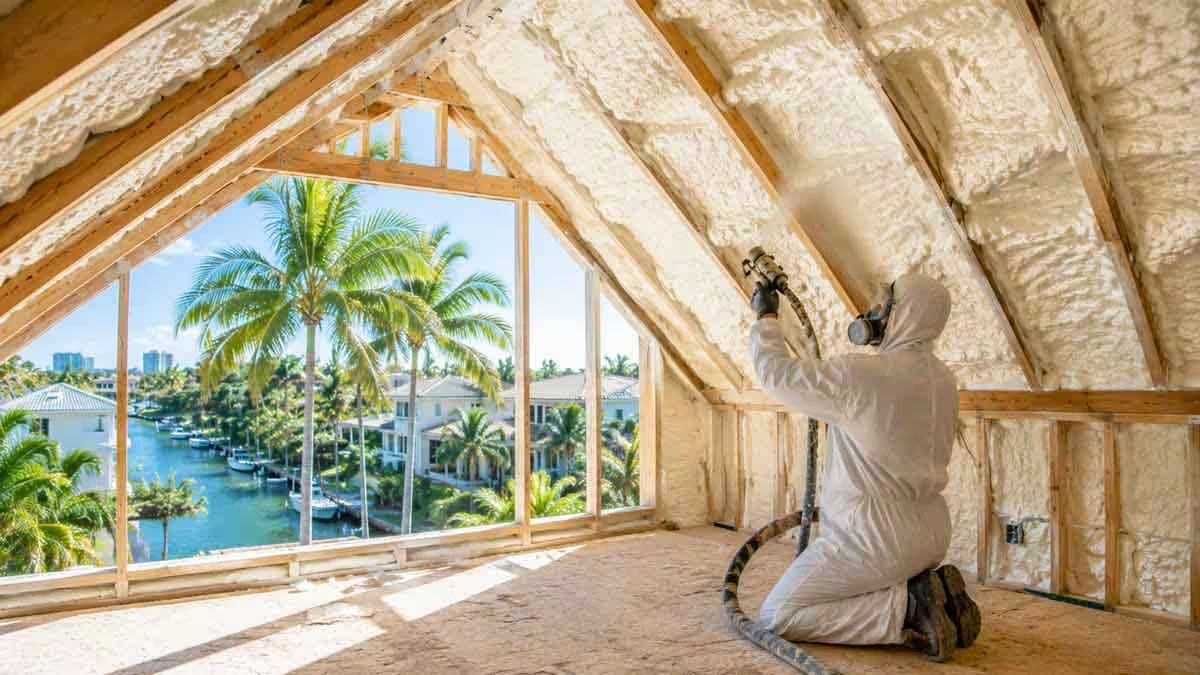
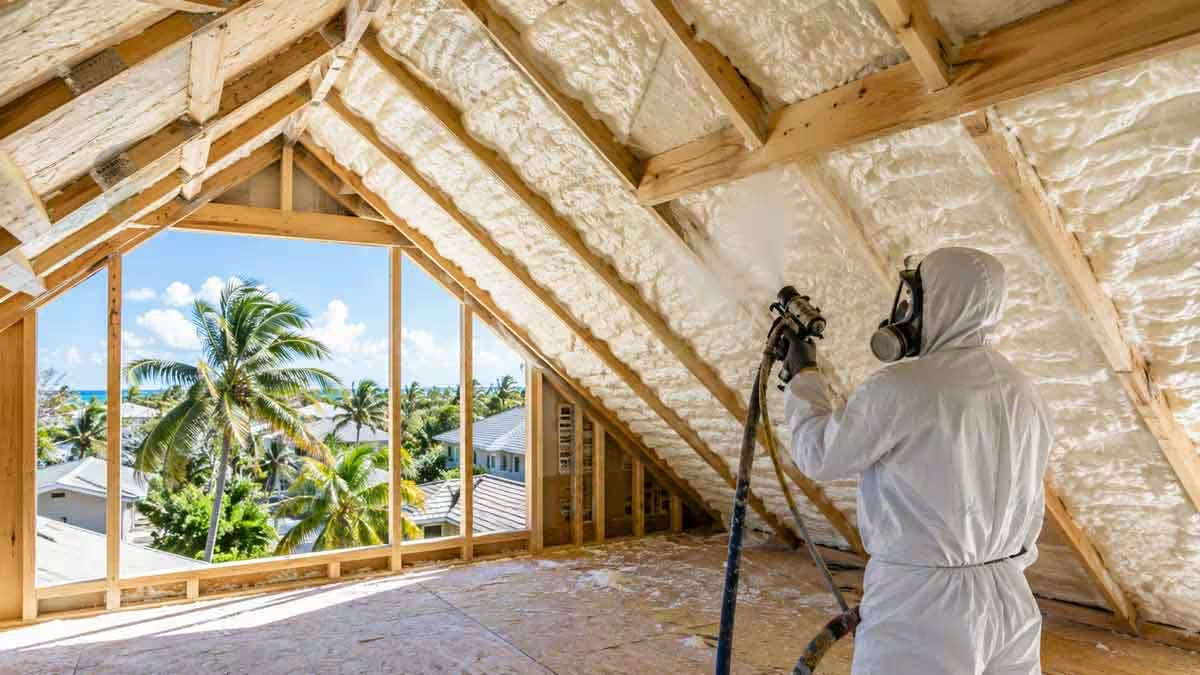
Options commonly used by professional insulation contractors include fiberglass insulation, blown-in insulation, and spray foam insulation systems.
For luxury residential properties, commercial facilities, warehouses, multi-family buildings, and high-performance homes, insulation recommendations should be based on the property’s specific needs rather than a one-size-fits-all approach.
Why Professional Evaluation Matters
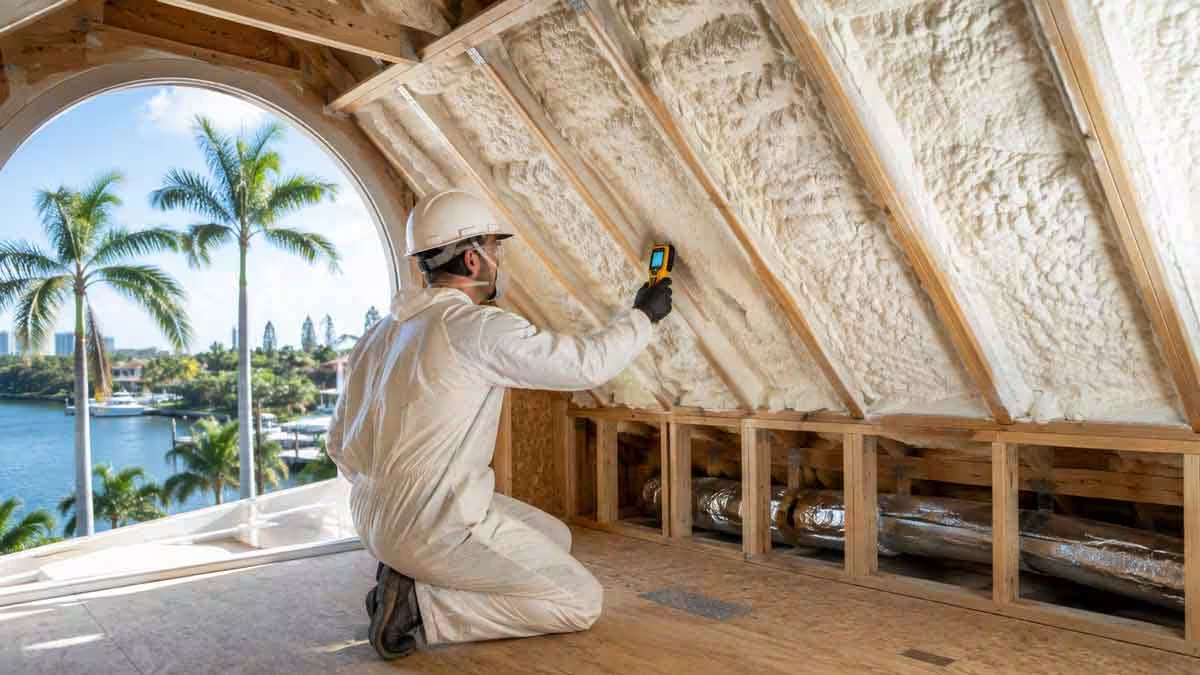
Determining whether insulation requires replacement involves more than a visual inspection.
Professional assessments can identify:
- Moisture-related concerns.
- Hidden air leakage pathways.
- Insulation settling.
- Thermal performance deficiencies.
- Ventilation issues.
- Areas requiring code-compliant upgrades.
A comprehensive evaluation helps property owners make informed decisions while avoiding unnecessary replacement costs.
Working with an experienced insulation contractor familiar with South Florida building conditions ensures recommendations are tailored to the region’s unique climate challenges.
When Should You Replace Attic Insulation?
There is no single timeline that applies to every property. However, replacement should be strongly considered when insulation has experienced moisture damage, contamination, significant deterioration, settling, or performance loss.
If your property is experiencing rising energy costs, inconsistent indoor temperatures, humidity concerns, or visible attic damage, a professional inspection can determine whether replacement is warranted. For many property owners, upgrading attic insulation delivers measurable improvements in comfort, energy efficiency, and long-term building performance.
Broward Insulation Service provides climate-specific attic insulation solutions designed for South Florida homes, luxury properties, commercial facilities, and multi-family buildings. Whether you’re evaluating aging insulation or planning a complete energy-efficiency upgrade, our team can help identify the most effective solution for your property.
Schedule a Risk Audit today to determine whether your existing attic insulation is performing as it should and learn how modern insulation solutions can support long-term comfort, efficiency, and building protection.