Maximizing FPL Rebates with Spray Foam Attic Insulation Projects
Florida attics can drive significant summer heat gain. You can address that load and improve the overall value of an insulation upgrade when the project is properly planned. That return grows when your project matches eligible materials, attic conditions, and local code requirements before installation begins.
Details will decide savings. Certified local crews also help prevent rebate delays. Complete records can help during rebate review. Before you plan timing or estimate long-term gains, you will need to check current FPL requirements for qualifying ceiling insulation.
Check FPL Eligible Spray Foam Types
First, check if the insulation application meets current FPL requirements for ceiling insulation rebates. Spray foam attic insulation in Fort Lauderdale still needs to be evaluated against the applicable program requirements. Open-cell and closed-cell foams differ, and the specific product and installation method matter. FPL currently frames its offer around qualifying ceiling insulation, so you should verify that your planned application fits the program before expecting the $220 credit.
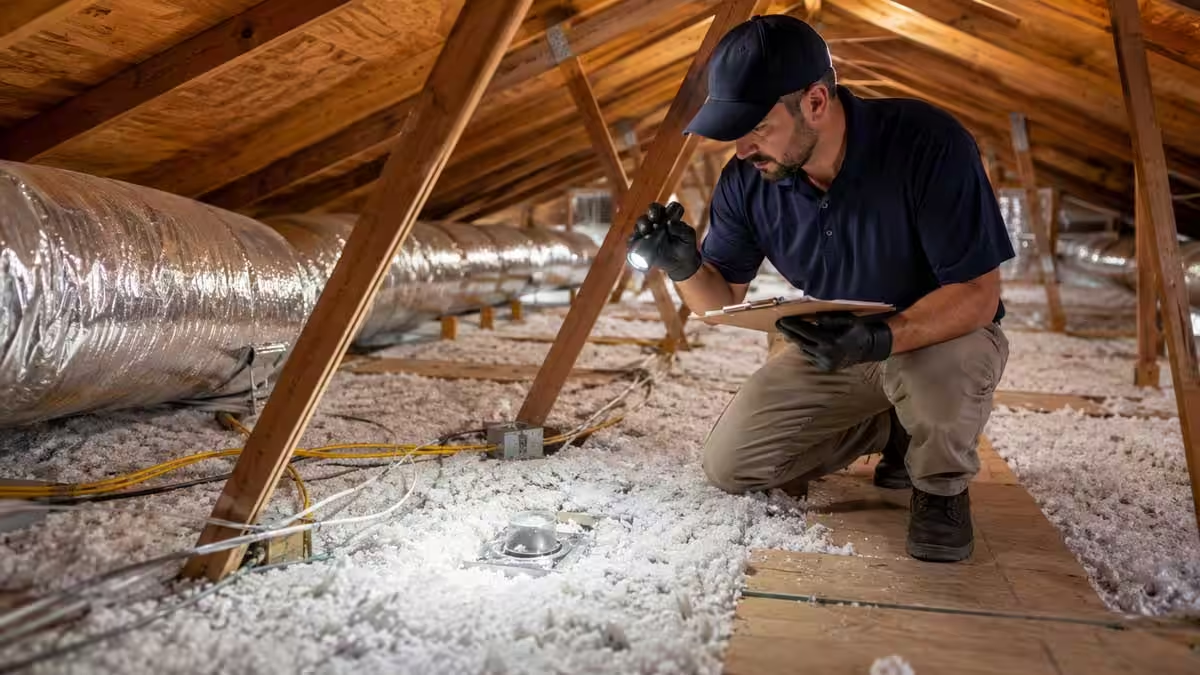
Not every foam application will qualify. If your attic insulation is below R-8, an FPL-approved Participating Independent Contractor can inspect the space and confirm whether the planned insulation upgrade meets the program requirements. Keep the certificate and supporting documentation.
The Environmental Protection Agency notes that air sealing and adding attic insulation can reduce heating and cooling costs, making eligibility worth reviewing before work begins.
Calculate Attic Heat Load Before Insulation
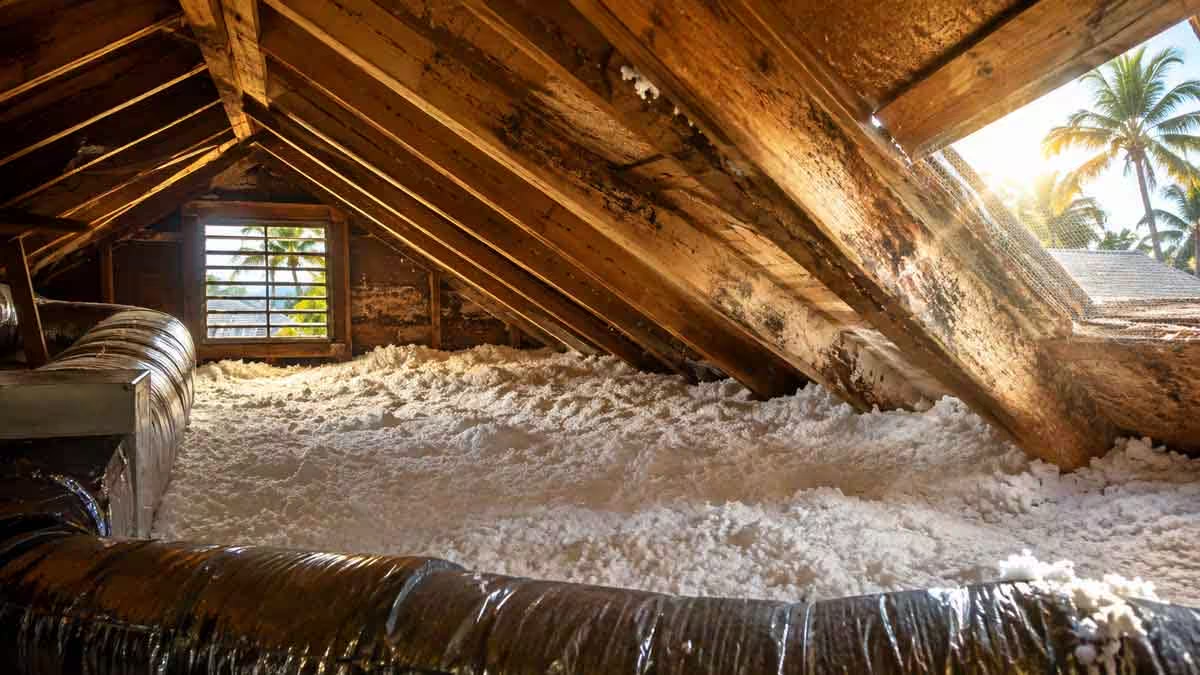
A practical way to calculate attic heat load before insulation is to measure gain, leakage, and area. That number matters in South Florida, where attic heat and air leaks can strain your cooling system.
- Area and R-value: Measure the attic floor area first, because heat gain increases with exposed square footage. Then note the current R-value, since R-22 blocks far less heat than R-38. The difference is especially significant where roof decks add area above the conditioned ceiling.
- Conduction versus leakage: Heat-load calculations should treat conduction and infiltration as two different parts of the attic problem. That matters because you can use Spray Foam Insulation to reduce air leaks while also improving thermal performance. In many homes, attic ducts trap heat, and that can raise cooling demand.
- Fit the plan: Use the calculated heat gain to size attic insulation where it will reduce HVAC strain most. If the attic load stays high, you may need to give air sealing as much attention as added R-value. This gives you a clear path to energy efficiency because it can reduce system runtime.
Hire Certified Local Spray Foam Installers
The right local installer protects your rebate process and boosts attic results.
- Rebate compliance: FPL requires an approved Participating Independent Contractor for its ceiling insulation rebate program. You want crews who tell you their attic plan in plain words before work starts and help you understand which requirements apply to the project.
- South Florida attic judgment: With Broward Insulation Service, you get a local Insulation Contractor who knows Broward County attics well. There is less guesswork because local crews know how leaks hidden in older homes can drain your cooling budget.
- Better thermal results: The main goal is a properly designed attic insulation system that supports the building’s thermal envelope. The work can also include air sealing, so Spray Foam Insulation can help reduce unwanted heat transfer and cooling demand in South Florida homes.
Document Install And Material Requirements Fully
Clean records make rebate claims easier for Spray Foam Insulation projects. Keep every receipt, product label, certificate, and line-item invoice because rebate rules apply to qualifying installations and require supporting documentation. FPL’s program standards also require the rebate amount to appear as an itemized credit on the PIC’s invoice.
This helps prove which costs and materials are associated with the qualifying work. Dates matter just as much, so verify the current program requirements before scheduling installation. For South Florida attic insulation and air-sealing projects, we help you document materials and retain product information for your records.
Time Project Around FPL Rebate Deadlines
Once the paperwork is done, timing matters. If you miss a live FPL rebate window for your spray foam attic insulation project, the incentive may not be available under the same terms when installation takes place.
- Verify live dates: Check FPL’s current ceiling insulation program first, because rebate amounts, eligibility requirements, and program terms can change. FPL currently lists an instant $220 ceiling insulation rebate.
- Book early: Crews fill their calendars early in South Florida, leaving less availability if rebate requirements or project schedules change.
- Match invoice timing: FPL incentives are tied to current program terms, so your invoice and installation documentation should align with the applicable requirements.
- Get written proof: Ask how the rebate will appear as an instant credit on your invoice, because FPL’s current program requires the $220 rebate to be shown as a credit on the PIC invoice.
Estimate Long Term Energy Savings Gains
South Florida heat can drain your budget, so we estimate savings by tying attic insulation improvements to available FPL rebates. That makes the payoff clearer.
- Utility bill baseline: The U.S. Environmental Protection Agency notes that homeowners can save on heating and cooling costs through air sealing and attic insulation. Actual results vary based on the building envelope, HVAC system, existing insulation, and operating conditions.
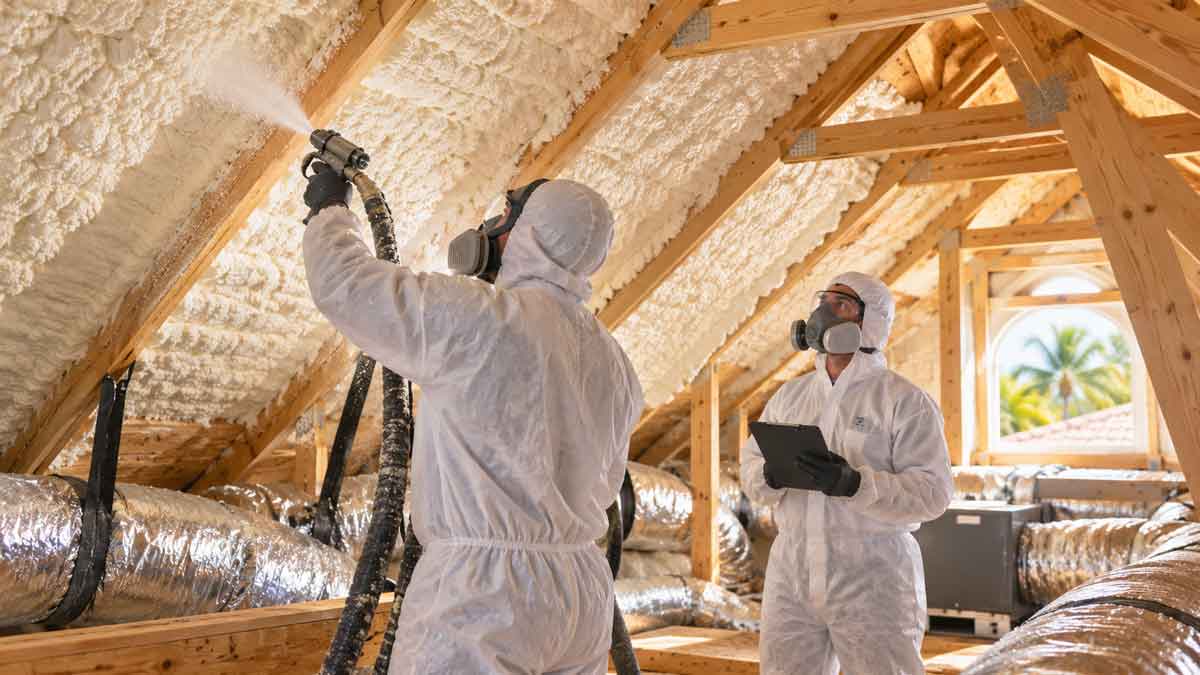
- HVAC strain reduction: Spray foam applied as part of an appropriate roof-deck assembly can bring the attic into the building’s thermal envelope, depending on the design. That can help moderate attic temperatures and reduce heat transfer around ductwork during long South Florida cooling seasons.
- Long-term payback view: Long-term value grows when yearly energy savings stack with rebate dollars and potentially less wear on equipment. The exact payback depends on the existing insulation, building conditions, HVAC performance, and scope of work. If you have ever seen a sweltering attic at noon, you know cooler spaces can change your daily comfort.
Meet Fort Lauderdale Building Codes Strictly
To meet Fort Lauderdale building codes, your attic rebate project starts with code. Florida Statute 553.9065 establishes requirements for certain unvented attic and unvented enclosed rafter assemblies using air-impermeable insulation and air sealing. The requirements include conditions involving blower-door performance, mechanical ventilation, insulation at exposed roof rafters, and keeping HVAC equipment and ductwork inside the thermal envelope.
The applicable insulation assembly and R-value depend on the project design and code pathway. Florida Statute 553.9065 identifies a minimum R-20 air-impermeable insulation pathway when its stated conditions are met, including additional requirements for exposed roof rafters in certain installations.
This helps you follow the code. Code compliance and FPL rebate eligibility should still be reviewed separately because meeting one does not automatically guarantee the other.
Smart timing pays off. It helps you claim more value from an attic upgrade. Spray Foam Insulation supports that goal when it is properly selected and installed. It seals gaps that waste cooled air. With effective Attic Insulation, your home can maintain steadier indoor temperatures and ease HVAC strain.
That matters in South Florida. In Broward County and Fort Lauderdale, heat and humidity make air leaks costly, so effective Air Sealing can support better comfort and energy efficiency. We review rebate steps before your work begins.
Fewer surprises mean better returns. As your Broward County Insulation Company, we will document attic upgrades and help you schedule a Risk Audit for FPL rebate review.