



How Coastal Broward Weather Impacts Attic Insulation Longevity and Performance
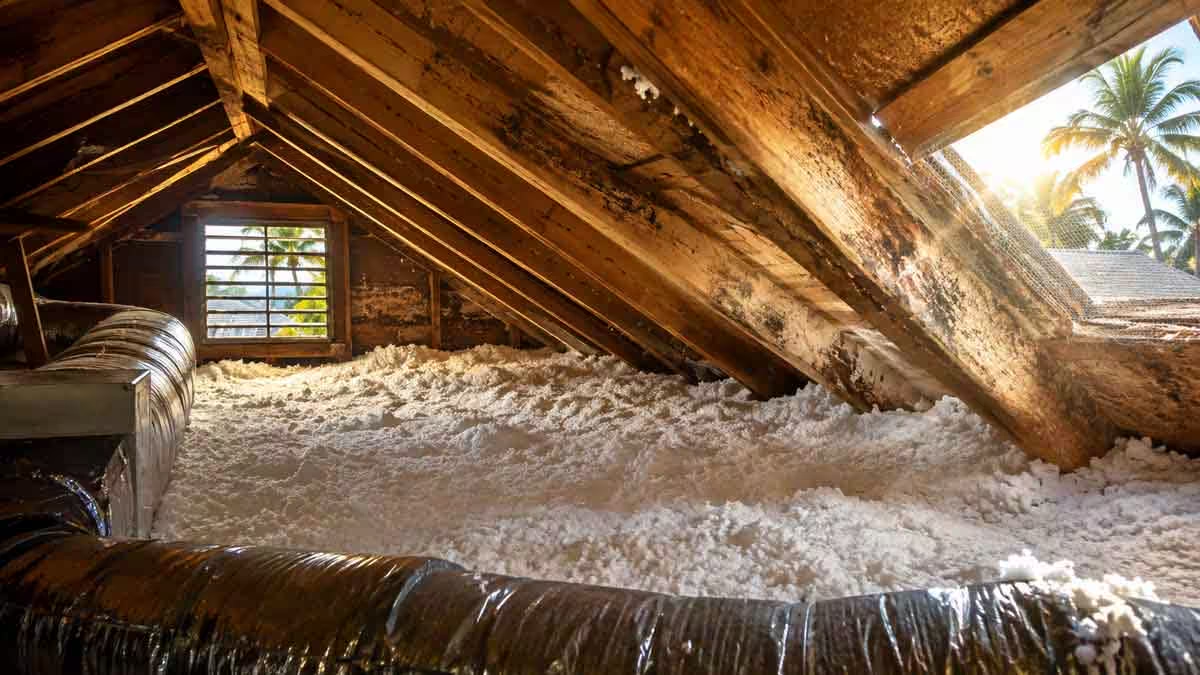
Coastal weather wears insulation faster. Heat, salt air, and humidity can reduce insulation performance over time. Wind-driven rain adds hidden moisture concerns. In Fort Lauderdale and nearby coastal areas, attic insulation often faces hotter attic temperatures and slower drying conditions.
Those stressors can affect material performance, mold risk, energy efficiency, and service life. First, Broward’s climate sets the baseline for choosing and maintaining the right insulation system.
What Is Coastal Broward Climate Effect on Insulation
The coastal Broward climate effect on insulation is the impact that heat, humidity, salt air, and high cooling demand have on attic materials. These conditions can accelerate wear when insulation systems are not properly installed or maintained.
For attic insulation in Broward County, humid air can reduce thermal performance when air leaks or moisture problems are present. Salt air can also accelerate corrosion on nearby metal components, including fasteners and equipment connections.
Over time, an attic that absorbs excessive heat may transfer more warmth into your living space. This forces your HVAC system to operate longer to maintain comfort. Broward Insulation Service focuses on moisture control, air sealing, and insulation performance together because coastal buildings require a complete approach.
Compare Insulation Materials Performance Coastal vs Interior
Coastal conditions create different insulation challenges compared with inland environments. This table compares several attic insulation performance factors.
| Point | Coastal Broward attic | Interior attic |
|---|---|---|
| Spray Foam Insulation | Provides strong air sealing that helps reduce unwanted humid air movement when installed correctly. | Remains effective, but homes may experience less moisture pressure. |
| Fiberglass Insulation | Performs well when the attic remains dry and properly air sealed. | Often experiences fewer moisture-related challenges. |
| Blown-In Insulation | Provides strong coverage in open spaces but requires proper depth checks in humid coastal conditions. | Can maintain performance with fewer environmental stresses. |
| Thickness fit | Climate conditions make correct insulation levels and installation quality especially important. | Correct depth remains important but may face fewer weather-related pressures. |
| Long-term value | Proper insulation supports comfort, HVAC efficiency, and building performance in demanding climates. | Performance still affects energy use and indoor comfort. |
How To Extend Attic Insulation Lifespan
Use these five steps to help your attic insulation perform longer in coastal conditions.
- Seal attic air leaks around hatches, duct boots, and top plates. Reducing unwanted air movement helps insulation remain dry and improves efficiency.
- Check insulation depth and condition regularly, especially in areas affected by storage or foot traffic. Compressed insulation provides less thermal protection.
- Keep soffit and ridge vents clear, and inspect the roof after severe weather. Blocked ventilation can trap heat and moisture.
- Address pest activity quickly by closing entry points and removing damaged materials. Nesting activity can create contaminated or weakened insulation areas.
- Upgrade areas with poor performance using the right insulation solution, such as Spray Foam Insulation or Blown-In Insulation, based on attic conditions and building requirements.
Common Questions About Mold Risk In Broward Attics
Below are common attic mold questions homeowners ask.
- Can mold grow even in a vented attic? Yes. Ventilation helps, but moisture problems, roof leaks, and humid air movement can still create conditions where mold develops.
- Is ventilation alone enough to stop attic mold? Not always. Ventilation must work together with proper air sealing, insulation installation, and moisture management.
- Where does mold usually appear first? Mold often develops in areas where moisture remains trapped, including cooler roof sections, poorly ventilated areas, or locations affected by leaks.
- Does attic insulation affect mold risk? Yes. Damaged or wet insulation can contribute to moisture retention. Proper insulation combined with air sealing helps maintain a healthier attic environment.
Mistakes That Undermine Insulation in Salt Air Zones
Beyond moisture, several mistakes can reduce insulation performance in coastal areas.
- Ignoring salt-air exposure: Coastal air can contribute to corrosion on nearby metal components and affect building materials over time.
- Skipping air sealing: Open gaps allow humid outdoor air movement that reduces insulation effectiveness.
- Missing roof or attic leaks: Water intrusion can cause insulation to settle, compress, and lose performance.
- Blocking attic ventilation: Poor airflow traps heat and moisture, increasing HVAC strain and reducing insulation longevity.
Summer Heat Cycles and Attic Temperature Spikes
Summer heat cycles create significant stress on attic insulation systems. In Broward County, roof surfaces absorb intense sunlight for hours, transferring heat into attic spaces.
Attic temperatures can rise significantly above outdoor temperatures during peak summer conditions. These repeated heat cycles increase cooling demand and can accelerate aging in insulation materials.
When ventilation is restricted, temperatures may become even higher. Over time, excessive attic heat contributes to HVAC strain and reduces indoor comfort. A properly designed insulation system helps reduce heat transfer and supports more consistent temperatures throughout the property.
Rain, Wind, and Moisture Infiltration Damage Patterns
Rain and wind can accelerate attic insulation problems. Wind-driven rain may enter through damaged roof areas, loose vents, or compromised flashing. Once insulation becomes wet, it may compress, collect contaminants, and create areas where heat transfers more easily.
The Environmental Protection Agency notes that mold can develop quickly when moisture remains present. In coastal Broward, humidity and salt air can slow drying, making moisture control especially important.
The pattern is often visible around roof edges, duct penetrations, and ventilation areas. If soffits lose their seal or attic openings remain unprotected, moisture has more opportunities to enter the system.
Coastal Broward heat, humidity, salt air, and storm conditions can shorten insulation performance when moisture enters the attic. The greatest problems often appear near rooflines, duct runs, and areas with air leakage.
DOE guidance connects attic air leaks and insufficient insulation levels with increased cooling demands. Improving insulation performance helps reduce HVAC strain while supporting long-term energy efficiency.
Broward Insulation Service provides climate-specific insulation solutions designed for residential and commercial properties throughout South Florida. Spray Foam Insulation may provide strong moisture control benefits in certain applications, while Fiberglass Insulation and Blown-In Insulation can perform effectively when installed correctly.
If your rooms feel warmer than expected, your HVAC runs constantly, or you notice musty attic conditions, a professional inspection can identify the cause. Schedule a Risk Audit with Broward Insulation Service to determine the right insulation strategy for your property.