Fort Lauderdale Spray Foam Attic Warranty Coverage Guide
South Florida attics need clear terms. If you are choosing spray foam attic insulation, warranty details will affect long term value, coverage, and risk. Small clauses can cost you. Coverage length often varies by manufacturer, product type, installation requirements, and local conditions.
Your claim may depend on product type, installer credentials, routine upkeep, and whether the insulation meets listed conditions. Transfer rules matter as well. That starts with the main types of spray foam warranties available.
Types of spray foam warranties available
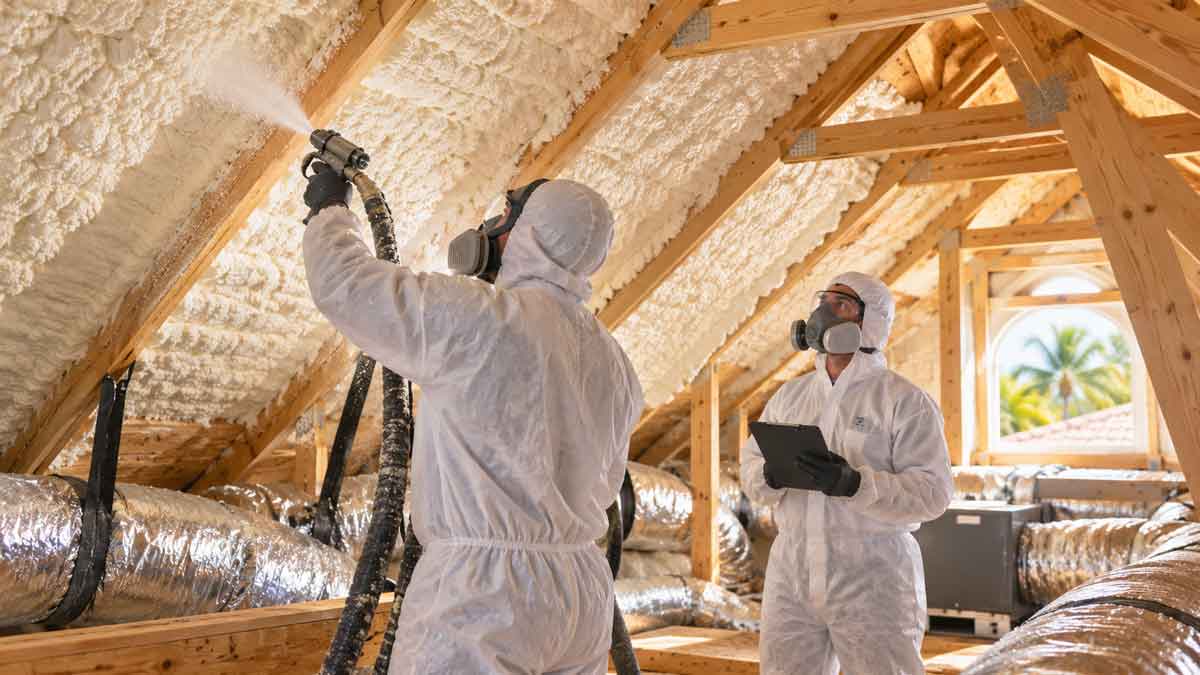
Warranty types can vary. The first type you will see covers the foam itself. That product warranty may cover defects in the chemical mix, cure, or claimed performance after the foam leaves the plant. A workmanship warranty addresses how the insulation was installed.
You may also see system coverage. It may reference the roof assembly because unvented roof decks can perform differently from vented assemblies. Their overlap is easy to miss. For spray foam attic insulation in Fort Lauderdale, you should review the applicable product and installation documents as well.
Coverage duration differences by manufacturer
In this Fort Lauderdale Spray Foam Attic Warranty Coverage Guide, you can compare how manufacturers set coverage length. It can vary by manufacturer, and they may tie term length to the roof assembly above.
Published term ranges: Some manufacturers post longer coverage periods, while others cap years based on the exact foam system used. The fine print is where you see if their stated term matches the product installed in your attic.
Roof system overlap: You may see different terms if the attic assembly affects other roof material coverage tied to unvented designs. This is why the insulation warranty and roof warranty should be reviewed together when applicable.
Recent policy updates: Policy wording can change over time, so older examples may show different periods than current manufacturer documents. Dates on your paperwork matter when determining which terms apply to your installation.
What conditions void warranty claims
After policy terms change, attic claims can fail on written exclusions, even when the insulation itself is performing as intended. That is the next worry.
Roof deck exclusions: Roof deck exclusions can affect claims if the installation does not meet the requirements of the applicable roof assembly. The U.S. Department of Energy recognizes sealed attic assemblies as an energy-efficiency strategy, yet your roof warranty may have specific conditions for these applications.
Post install changes: Unapproved changes can also affect coverage. There are times you add vents or make later cuts that change the assembly and fall outside the original installation conditions.
Permit mismatches: Permit gaps can hurt coverage. The installation should match applicable permit records, because missed approvals or work performed outside the approved scope can create problems when warranty support is needed.
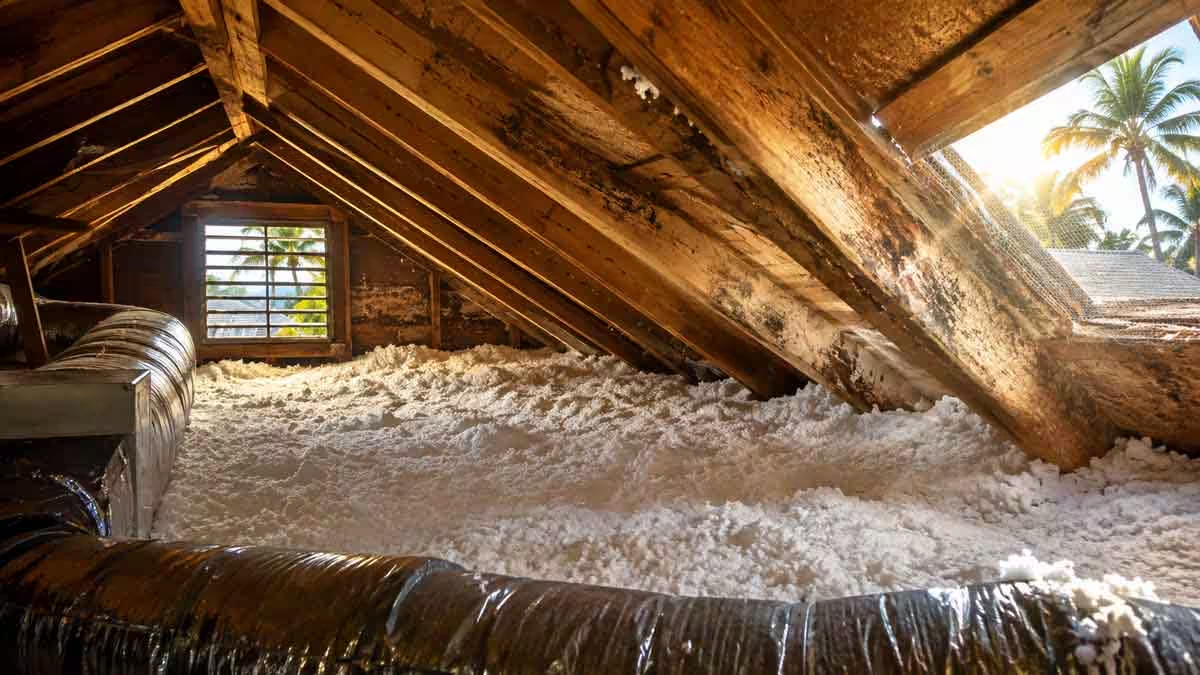
Moisture damage: Hidden moisture issues can create separate problems for both the building and warranty coverage. Damp conditions should be addressed quickly before they affect the roof deck, insulation, or surrounding materials.
Installer certification impact on coverage
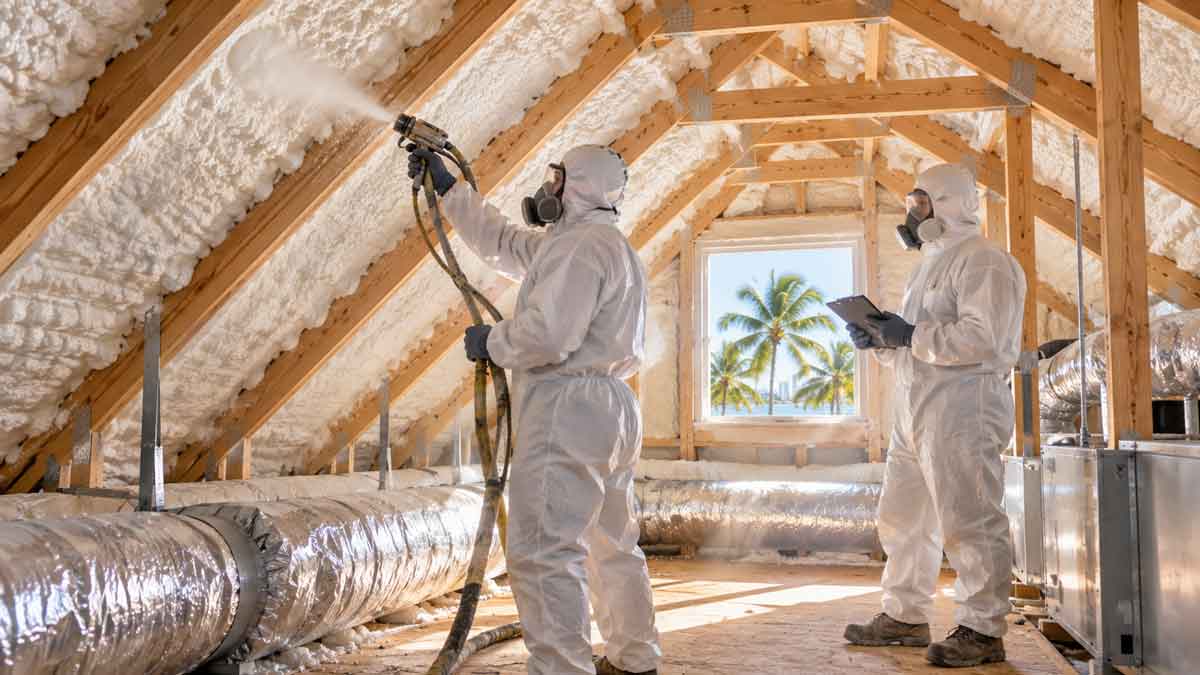
The next factor is certification. Beyond those claim limits, your installer’s certification can influence how Spray Foam Insulation work is documented for your attic warranty file. The reason is simple: manufacturers and roof system issuers want proof that the foam met their installation and product requirements.
It affects coverage more than you may think. There should be dated records, product labels, permit details, and photos. That paperwork helps you later. Manufacturer warranty terms may also require installation by qualified or approved contractors, so confirming those requirements before work begins is important.
With Broward Insulation Service, you can ask for code records and written manufacturer documentation relevant to your installation.
Local climate effects on warranty terms
South Florida’s climate shapes how attic coverage is considered, and there is more focus on heat and moisture.
Heat load: South Florida attics can experience substantial heat buildup in vented assemblies. The exact temperature depends on roof design, ventilation, weather, and other building conditions. Properly designed insulation can help manage heat transfer through the building envelope.
Humidity exposure: High outdoor humidity means warranty language often tracks whether your roof deck was dry before Spray Foam Insulation was installed. Moisture conditions should be evaluated before installation because trapped moisture can create building-performance problems.
Coastal weather: Salt air, wind driven rain, and long wet seasons can raise focus on moisture movement around Attic Insulation. In Fort Lauderdale, your project records help you match local climate demands with applicable installation requirements and claim expectations.
Maintenance responsibilities under warranty
Clear attic care matters. Your Fort Lauderdale spray foam attic warranty coverage guide is easy to use when you know your upkeep role.
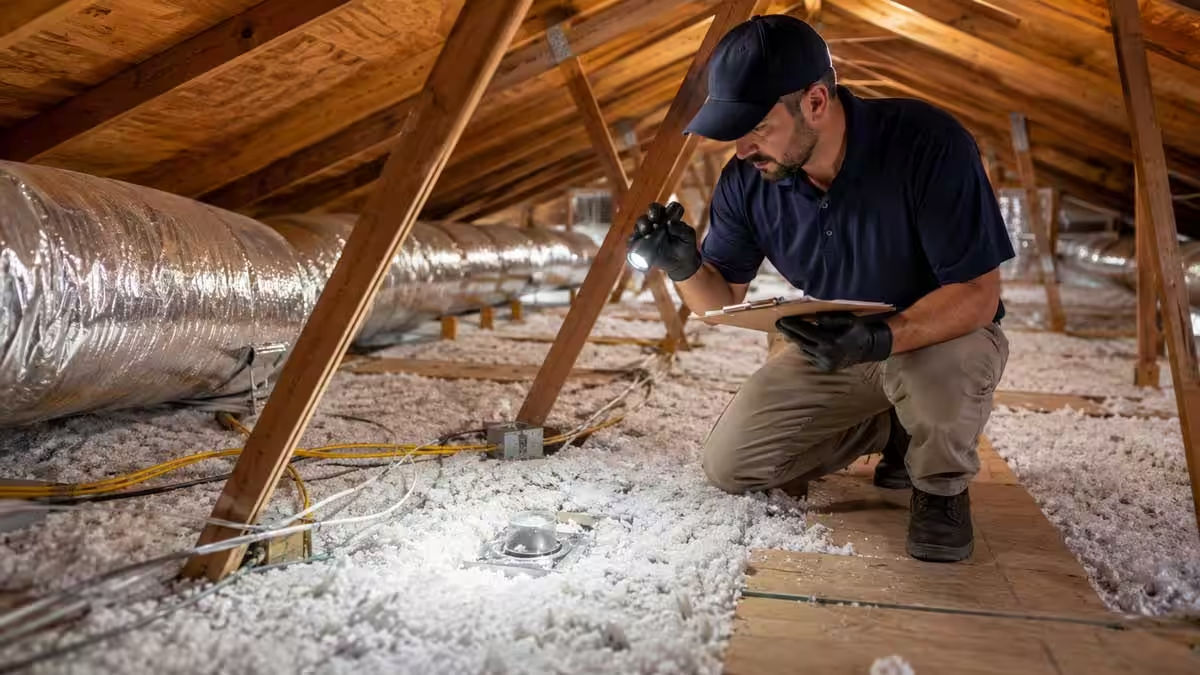
Routine checks: Look over the attic every few months for stains, damp spots, or unusual smells, then write down what you see.
Vent path care: If you have venting in the assembly, keep soffits and airflow paths clear. Proper ventilation and moisture management can help protect the roof assembly.
Record keeping: Save the install date, product data sheets, batch numbers, warranty documents, and service notes in one file. These records can provide useful product and installation proof later.
Trade work awareness: If electricians or roof crews come in later, ask where they worked and keep their photos. You can track changes, so their work does not mix up future warranty support.
Professional follow up: Let Broward Insulation Service check attic changes before major work, so we can keep your records lined up. It is a simple way to guard spray foam insulation performance and keep the record trail clear.
Transferring warranty to new homeowners
Home sales raise real questions. If your Spray Foam Insulation warranty can transfer, you will want records so buyers can see that the attic work was properly documented. Applicable building codes allow unvented conditioned attics under specified conditions, and that paper trail helps demonstrate how the assembly was designed and installed.
You can use photos. At Broward Insulation Service, inspection reports and foam specifications make transfer far more smooth. It lets you answer buyer questions and provide useful documentation during the sale.
Coverage works best when your attic insulation matches South Florida heat and moisture conditions. That starts with records. Your spray foam insulation warranty has value only if the terms stay clear. If foam, roof leaks, or later trades cause damage, most coverage will depend on the specific warranty exclusions and whether the installation and subsequent work meet the stated requirements.
Moisture issues need fast action. As your Fort Lauderdale Insulation Contractor, we will inspect the substrate, depth, and air sealing before any warranty question turns costly. Good paperwork keeps options open.
At Broward Insulation Service, we give you owner-direct guidance that helps you track product terms, installation notes, and service history. That support helps protect your energy-efficiency goals for years.
Schedule your Risk Audit.