



Attic Insulation Fire Safety Guidelines for Broward
Fire safe attic insulation resists ignition and helps limit the spread of flames and smoke when installed correctly. In Broward, code compliant products must meet specific requirements for spacing, material performance, and protective barriers. For attic insulation, safe design also keeps insulation clear of recessed lights, chimneys, wiring faults, and exhaust vents.
Nonrated or improperly installed materials can increase fire risk. This guide compares rated materials, inspection steps, installation risks, and NFPA standards. First, understanding Broward fire code requirements helps property owners make safer insulation decisions.
What Are Broward Fire Codes For Attic Insulation
Broward attic insulation fire codes follow Florida Building Code and Florida Fire Prevention Code requirements that help limit fire hazards. These standards matter because insulation performance depends on both the material selected and how it is installed.
For attic insulation in Broward County, product labels and installation instructions determine required clearances. Insulation cannot cover heat-producing fixtures unless the fixture is specifically rated for insulation contact.
Recessed lights require proper spacing unless their listing allows direct insulation contact. Foam insulation must also follow its approved fire protection requirements. In addition, UF IFAS research highlights that ceilings experience significant heat transfer, making proper insulation placement important for comfort and building performance.
A qualified Insulation Contractor reviews these details before installation. This helps ensure the insulation system works with the building structure instead of creating additional risks.
Compare Fire Rated Insulation Materials vs Nonrated
With the code basics in place, this table compares key fire safety points for attic insulation in Broward.
| Key point | Fire rated insulation materials | Nonrated materials |
|---|---|---|
| Flame spread | Often designed to slow flame spread. Unfaced fiberglass is noncombustible. | May allow flames to spread faster depending on material and installation. |
| Test label | May show Class A results under ASTM E84 testing. | May lack clear fire performance information. |
| Facing and coverings | Requires proper facing selection. Kraft paper or foil facings may burn if exposed incorrectly. | Often provides less documented protection when improperly installed. |
| Attic use | Supports safer insulation choices when installed according to approved guidelines. | Can increase risk if the material or covering is not approved for attic use. |
| Material examples | Fiberglass Insulation and mineral wool can provide strong fire performance characteristics. | Spray Foam Insulation is combustible and requires approved protective measures. |
Steps To Safely Inspect Attic Fire Hazards
Before adding or replacing attic insulation, a careful inspection helps identify possible fire hazards.
- Open the attic hatch carefully and check the ladder or access point before entering. Safety glasses and protective equipment help reduce exposure to dust and falling debris.
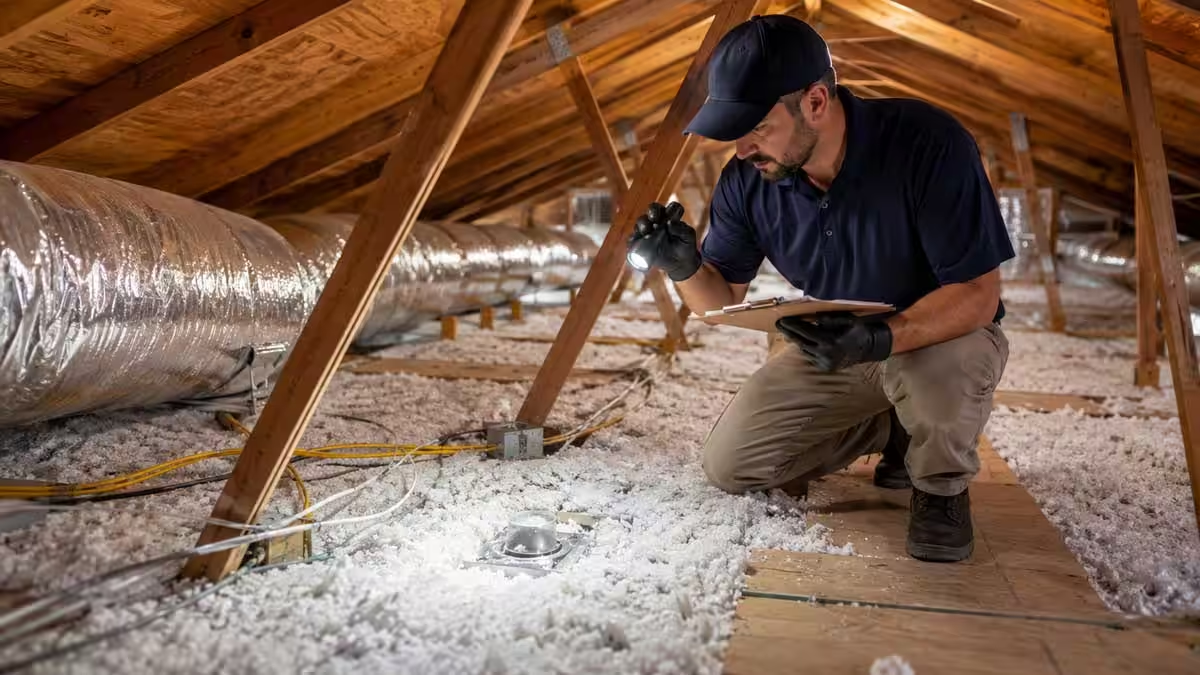
- Use a bright flashlight across the attic floor and into the eaves. This can reveal thin insulation areas, burn marks, damaged materials, or nearby combustibles.
- Inspect junction boxes, recessed lights, and fan housings for proper covers, spacing, and signs of overheating.
- Look for blocked soffit vents, missing baffles, and damp insulation near the roof deck. These conditions can contribute to heat and moisture issues.
- Walk only on framing or approved pathways and avoid loose wiring or nesting materials. Rodent activity can hide damaged electrical components.
Common Questions About Insulation Fire Safety in Broward
These quick answers cover common fire safety questions for Broward attics.
- Can Attic Insulation stop a fire? No. Attic insulation is one part of a fire-safe attic system, but it does not replace proper electrical protection, clearances, or fire barriers.
- Why does a protective barrier matter? Certain insulation materials require approved coverings or protective layers to reduce fire exposure risks. Foam insulation installations must follow approved building requirements.
- Are flame retardants always required? Not always. Fire safety depends on the complete assembly, material selection, and whether the installation meets applicable requirements.
- Why should homeowners ask about material safety? Different insulation products have different installation requirements. A professional review helps determine the right option based on attic conditions, building design, and safety standards.
Risks Of Improper Attic Insulation
Improper installation can reduce insulation performance and create unnecessary safety concerns.
- Missing clearance around chimneys and heat sources: Insulation installed too close to hot surfaces can increase fire risk. Manufacturer instructions and building requirements determine proper spacing.
- Insulation against hot fixtures: Covering fixtures that are not approved for insulation contact can trap heat.
- Blocked attic vents: Restricted airflow can increase attic temperatures and contribute to moisture concerns.
- Gaps in Attic Insulation: Open areas allow heat movement and reduce energy efficiency.
- Compressed Fiberglass Insulation: Reduced thickness lowers insulation performance and affects temperature control in warm climates.
Best Materials Meeting NFPA Standards In Broward
Tested insulation assemblies provide stronger safety assurance. For Broward attic insulation fire safety, materials should be installed only within approved assemblies that meet applicable NFPA standards.
NFPA 285 evaluates certain wall assemblies rather than individual insulation products alone. This distinction matters because fire performance depends on how materials work together.
South Florida buildings also face humidity and moisture challenges. The right insulation system must consider both fire safety and environmental conditions. Fiberglass Insulation, Blown-In Insulation, and Spray Foam Insulation can all have appropriate applications when selected and installed correctly.
Broward Insulation Service evaluates insulation options based on attic conditions, building design, and long-term performance goals. Documentation and product specifications help confirm that materials are suitable for the intended application.
Where To Place Fire Barriers In Broward Attics
Fire barriers help limit the movement of flames and hot smoke through hidden attic pathways. After selecting code compliant attic insulation, open spaces around utility runs, soffits, and structural openings should be properly addressed.
Seal gaps around pipes, ducts, wires, and vents where required. Keep metal flues clear according to installation requirements. Hidden openings that connect different areas of a structure may require fire blocking under residential building standards.
Safe attic insulation begins with proper spacing around heat sources and ends with materials installed according to approved guidelines. Keeping insulation away from non-rated lights, flues, and damaged wiring remains one of the most important fire prevention steps.
Material selection also matters. Fiberglass Insulation and Blown-In Insulation can perform effectively when installed with correct labeling, spacing, and access considerations.
Spray Foam Insulation requires additional review because roof design, moisture conditions, and fixture placement influence the appropriate application. Broward Insulation Service helps property owners evaluate insulation options that support safety, energy efficiency, and long-term comfort.
Schedule a Risk Audit to determine the right insulation approach for your Broward property.