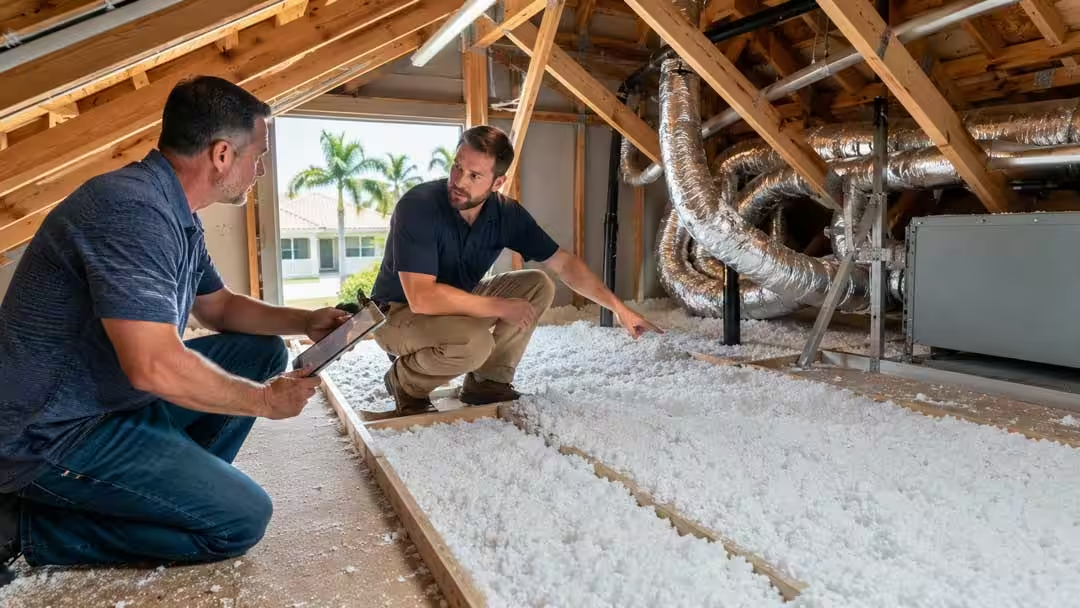
How Attic Insulation Affects Insurance Premiums in Broward Homes
Proper attic insulation can help reduce your insurance premium in Broward because it helps lower heat, moisture, and wind-related risks.
However, the relationship is not direct. Florida building code establishes minimum attic insulation requirements, and your insurance carrier may view a code-compliant home as lower risk. Even so, every insurer evaluates properties differently.
Understanding how insulation affects your home’s overall condition can help you prepare for insurance reviews and long-term energy savings.
What Is attic insulation in Broward County and How It Impacts Insurers in Broward
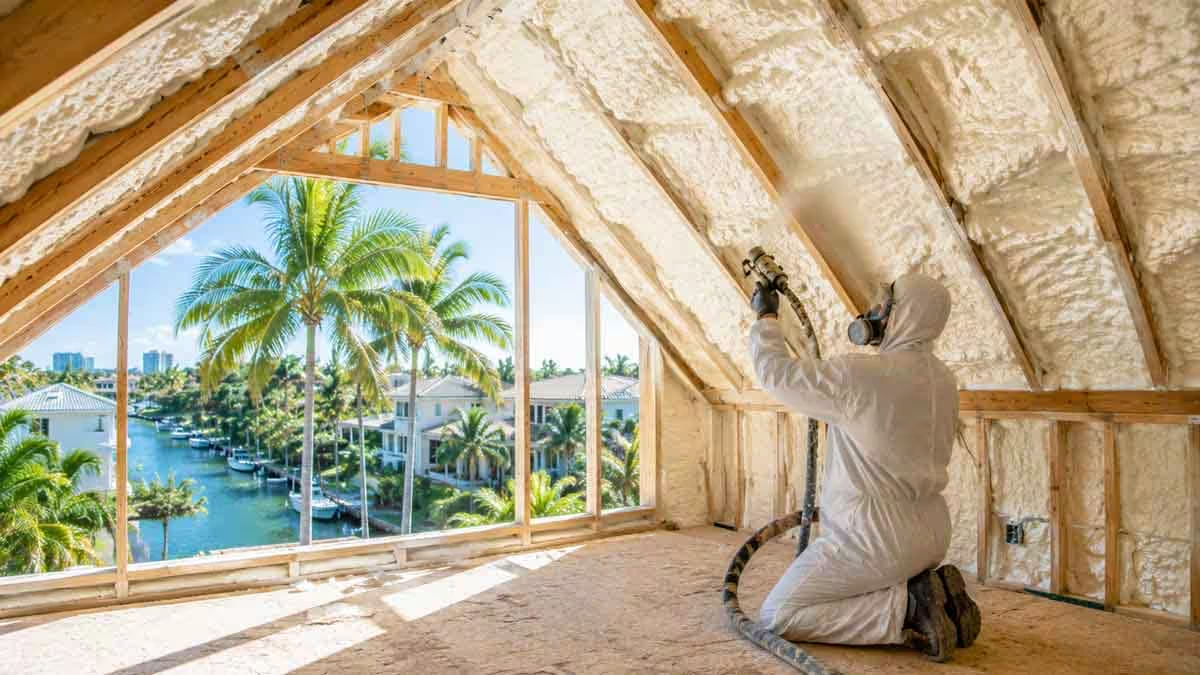
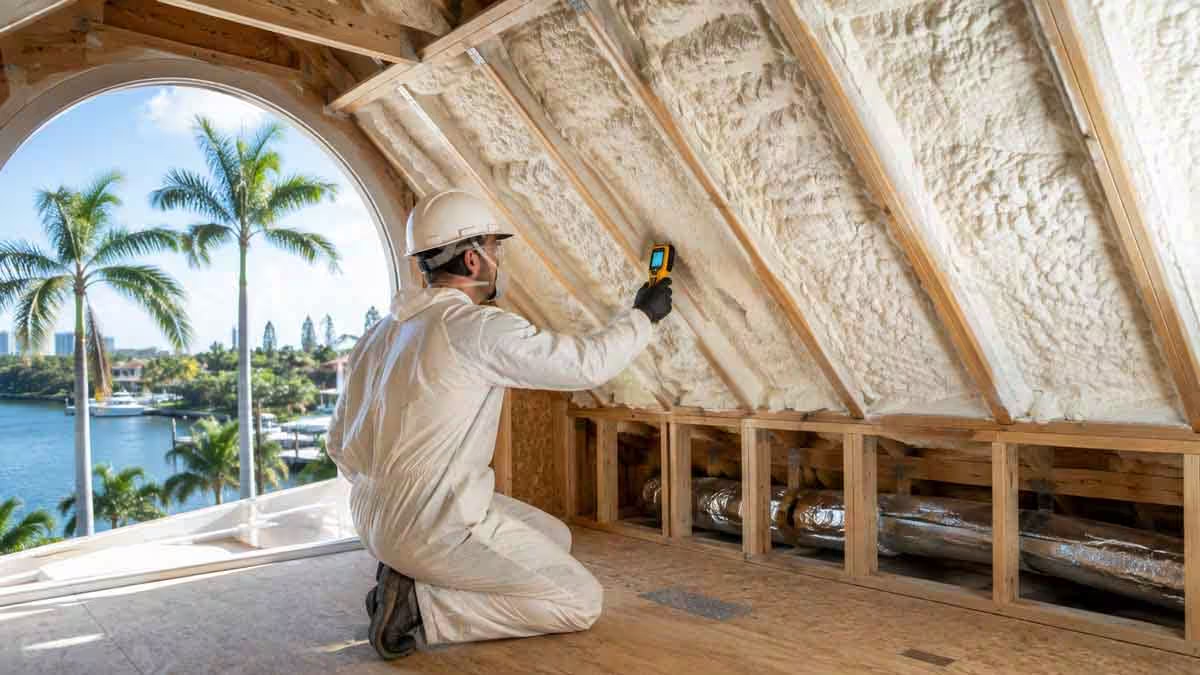
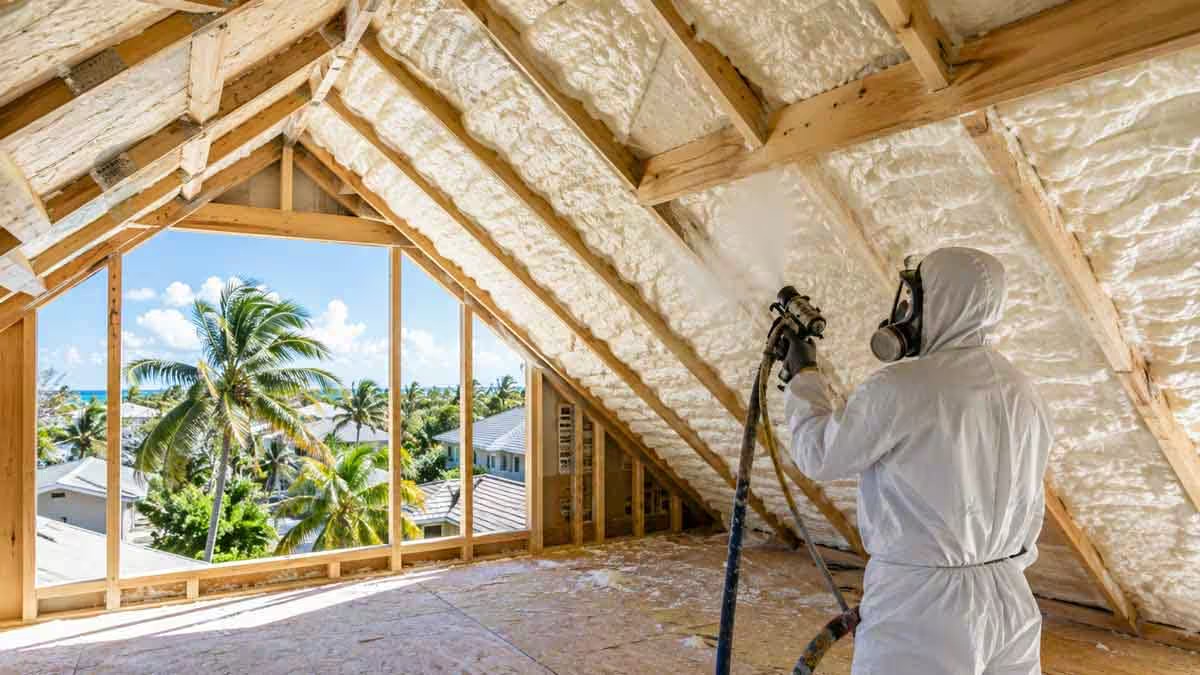
Attic insulation is a thermal barrier. In Broward, it sits above your living space and helps reduce heat transfer, humidity, and moisture issues caused by attic air leaks. Proper attic insulation broward homeowners rely on is especially important because South Florida’s climate places constant demands on homes.
That matters because Broward insurers evaluate your home’s overall risk and look for features that may reduce future claims.
The EPA says air sealing and added insulation can reduce heating and cooling costs by up to 15%, helping maintain more consistent indoor temperatures. In addition, the U.S. Department of Energy recommends that certain insulation products be professionally installed to ensure proper performance and safety.
See attic insulation in Broward County.
How Attic Insulation Levels Versus Insurance Premiums Compare
This table compares how different Broward attic insulation levels may influence insurance reviews.
| Insulation level | Likely premium effect | Plain takeaway |
|---|---|---|
| Low or patchy coverage | Usually weak on its own | It is estimated that nearly 90% of U.S. homes are under-insulated. |
| Older but present insulation | Often limited by itself | It may reduce heat gain, yet insurers may still consider broader property improvements. |
| Near modern attic depth | Better support during review | ENERGY STAR says you can quickly measure attic depth through its Rule Your Attic campaign. |
| Full coverage with strong attic performance | Best case for a broader credit review | Remodeling Magazine reported up to a 117% ROI for added fiberglass attic insulation, making value improvements more predictable than insurance savings alone. |
Key Attic Insulation Factors Insurance Companies Consider in Broward
Insurers in Broward evaluate attic insulation quality, moisture control, and evidence that your home manages heat without placing unnecessary strain on the HVAC system. As a result, these factors can influence how your property’s overall risk is assessed.
They also consider signs of humidity problems because damp attic conditions may lead to stains, ceiling damage, mold concerns, and future claims. The insulation material itself also matters because insurers review durability and long-term performance.
Age plays a role as well. The U.S. Department of Energy says insulation can reduce heating and cooling costs by up to 15%, demonstrating long-term value when insulation remains in good condition.
How To Upgrade Attic Insulation to Reduce Your Broward Home Insurance Cost
Here are four practical steps if lowering long-term insurance costs is one of your goals.
- Seal air leaks around pipes, electrical penetrations, and recessed lighting. ENERGY STAR recommends sealing air leaks before installing new insulation.
- Add insulation to achieve the appropriate attic depth. A properly insulated attic can reduce heat gain throughout Broward homes while easing HVAC strain that may support future insurance reviews.
- Choose blown-in or fiberglass insulation designed for South Florida’s humid climate. These insulation systems help reduce heat transfer and moisture concerns while improving overall energy efficiency.
- Save all documentation from the project. ENERGY STAR notes that qualifying insulation improvements may be eligible for up to $1,200 in federal tax credits, and insurance carriers may request records showing completed upgrades.
Common Questions About Attic Insulation Effects on Insurance in Broward
Below are four quick answers.
- Can it reduce insurance premiums? It can help your home appear lower risk, but it does not automatically qualify you for an insurance discount. Your premium still depends on factors such as roof age, wind mitigation features, water damage history, and previous claims.
- Why does the attic matter? Healthy Home Energy & Consulting notes that insufficient attic insulation can allow moisture and indoor air pollutants to move into living spaces. In Broward’s hot, humid climate, that can increase the likelihood of moisture-related issues.
- Does old insulation still count? Yes, but only if it remains dry and in good condition. Wet, moldy, compressed, or damaged insulation gradually loses effectiveness, reducing moisture control and indoor comfort.
- Should you keep upgrade records? Yes. Save photos, insulation specifications, invoices, and permit records when applicable because your insurance carrier may request documentation during policy reviews.
Tradeoffs and Risks When Boosting Attic Insulation for Premium Savings
There are several factors to consider before upgrading insulation solely for insurance savings.
- Air leaks may remain, limiting the overall benefit of additional insulation.
- Each added inch of insulation generally delivers smaller efficiency gains over time.
- Green Building Advisor notes that if only about 25% of a home’s energy loss occurs through the attic, attic insulation alone cannot eliminate losses from walls, windows, or other building components.
- Improper ventilation can trap moisture and reduce insulation performance.
- Your return on investment depends on insulation costs, utility savings, insurance considerations, and how long you plan to own the home.
Broward County Code Requirements That Influence Attic Insulation and Insurance
Broward County building code establishes minimum attic insulation standards, and meeting those requirements can help support smoother insurance reviews. This is especially important throughout Broward County and other South Florida coastal communities, where heat, humidity, and moisture create unique insulation demands.
According to David Luderman, Florida code requires homes in Broward and neighboring coastal counties to maintain at least nine inches of attic insulation. If an inspection identifies thin, uneven, or deteriorated insulation, it may raise repair questions before your insurance review is complete. He also notes that more than 75% of South Florida homes fall below this standard.
Premium changes are typically indirect. Better attic insulation helps reduce heat buildup, moisture intrusion, and HVAC strain, which may improve your home’s overall risk profile. However, insurers generally place greater weight on roof condition, wind mitigation features, and claims history when determining premiums.
For South Florida homes, code-compliant attic insulation combined with professional air sealing supports better indoor comfort, improved energy efficiency, and stronger documentation during insurance evaluations.
Insurance requirements vary by carrier. If you’re planning improvements before your next renewal, schedule a Risk Audit with Broward Insulation Service to evaluate your attic insulation, identify code compliance concerns, and determine opportunities to improve your home’s long-term performance.